What Are the Best Materials for Restroom Stall Walls?
When choosing materials for Restroom Stall Walls, several factors come into play. Durability is critical. The stalls endure heavy usage, making material selection vital. Options range from metal to plastic. Each material comes with its own benefits and drawbacks. For instance, stainless steel is robust but can be cold and uninviting.
Another essential consideration is cleanliness. Restroom environments require materials that resist stains and bacteria. While laminate offers an aesthetic appeal, it may not hold up against water. On the other hand, fiberglass might excel in hygiene but lacks the modern look some businesses desire.
Cost is always a factor. High-end materials can significantly increase construction costs. Businesses must balance budget constraints with the need for quality restroom stall walls. Reflection is necessary in the decision-making process. Choosing the right materials ultimately shapes user experience and overall restroom functionality.
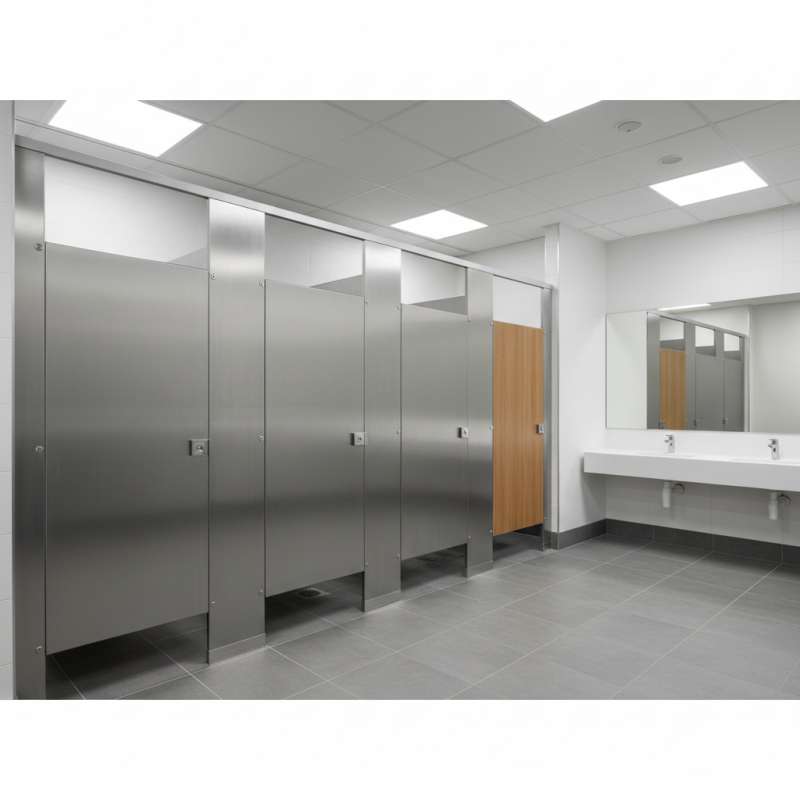
Best Practices for Selecting Restroom Stall Wall Materials
Selecting the right materials for restroom stall walls is crucial. It impacts durability, maintenance, and user comfort. Many facilities face challenges with moisture and hygiene. According to a report by the American Restroom Association, close to 25% of complaints stem from poor restroom conditions. Choosing the right material can mitigate these issues effectively.
Popular choices include fiberglass reinforced plastic (FRP) and stainless steel. FRP is lightweight and resists mold and mildew. It is beneficial in high-moisture areas. Stainless steel, on the other hand, offers exceptional strength and is easy to clean. However, it may show scratches and fingerprints quickly. A balance between aesthetics and functionality is essential.
Budget is always a factor. While some materials seem cheaper upfront, they may incur higher maintenance costs. Research shows that the lifecycle cost can increase by over 30% with low-quality options. Facilities should conduct thorough assessments before deciding. Evaluate usage patterns and local climate. Listening to user feedback is vital. Addressing structural and material weaknesses now can help avoid larger issues later.
Comparative Analysis of Common Materials for Stall Walls
When selecting materials for restroom stall walls, various options come to mind. Each material has its pros and cons. Popular choices include plastic laminate, fiberglass, and stainless steel.
Plastic laminate is lightweight and easy to clean. It offers a range of colors to fit different aesthetics. However, it can chip or scratch easily, requiring careful handling. Fiberglass is another option. It is durable, long-lasting, and resistant to moisture. On the downside, it may not be as visually appealing as other materials. Stainless steel stands out for its strength and resistance to vandalism. But, it can show fingerprints and require frequent polishing, which may not be ideal for maintenance.
**Tips:** Choose materials based on your restroom traffic. High-traffic areas need tougher materials. Consider aesthetics alongside functionality. Evaluate the price: sometimes, cheaper materials can lead to higher long-term costs. Test samples before deciding. It's essential to reflect on how each option aligns with your specific needs.
Durability and Maintenance Considerations for Stall Wall Materials
When choosing materials for restroom stall walls, durability and maintenance are critical factors. Materials must withstand high traffic and frequent cleaning. Options range from plastic laminates to metal. Plastic laminates are lightweight and resistant to moisture. However, they can chip or scratch, leading to potential hygiene issues. Metal stalls, while strong, may rust if not properly coated. This is a noteworthy concern; maintenance can be overlooked.
Another material option is solid phenolic. It resists moisture and is quite sturdy. However, installation can be challenging. Uneven surfaces can create gaps, which collect dirt. Regular cleaning is essential, but some stains may remain despite best efforts. Wood, though visually appealing, is generally not ideal. It can warp and absorb odors over time.
Considering the long-term costs and effort required is vital. Selecting the right material isn't just about aesthetics; it's about functionality and upkeep. The chosen material will impact both user experience and maintenance routines. Choosing wisely may save resources in the long run.
Aesthetic Options for Restroom Stall Wall Finishes
Restroom stall walls play a crucial role in both functionality and aesthetics. Choosing the right materials can enhance the look of any public facility. Popular finishes include laminate, solid plastic, and stainless steel. Each material presents unique benefits and drawbacks.
Laminate stalls offer a variety of color options. They can mimic wood or stone, providing a warm atmosphere. However, laminate is prone to chipping and delamination, especially in high-traffic areas. Reports indicate that around 30% of laminate stalls show signs of wear within just three years.
Solid plastic is another aesthetic choice. It resists moisture and vandalism, which is vital in restrooms. The surface can be textured, adding visual interest. Yet, some argue that the color range is limited. Stainless steel, while sleek and modern, may appear cold to some. It can dent and scratch easily, contributing to a less polished look over time. Maintaining a balance between durability and appearance remains a challenge for facility managers.
What Are the Best Materials for Restroom Stall Walls? - Aesthetic Options for Restroom Stall Wall Finishes
| Material Type | Aesthetic Appeal | Durability | Maintenance | Cost |
| Stainless Steel | Modern, sleek | High | Low | $$$ |
| Plastic Laminate | Variety of colors and patterns | Moderate | Moderate | $$ |
| Phenolic | Stylish and versatile | High | Low | $$$ |
| Wood | Warm, natural look | Moderate | High | $$$ |
| Concrete | Industrial, minimalistic | Very High | Very Low | $$$ |
Cost-Effectiveness of Various Materials for Restroom Stalls
When considering restroom stall walls, material choice is crucial for cost-effectiveness. Many facilities lean towards options like laminate, stainless steel, or phenolic. Each choice has its pros and cons.
Laminate tends to be attractive and budget-friendly, but it might not withstand high moisture levels. Stainless steel is durable but can be pricey. It often requires less maintenance. But it's not the best in noise reduction.
Phenolic is a solid middle ground. It's water-resistant, durable, and easy to clean. However, its upfront cost could deter some budgets. This raises questions about long-term value versus initial spending. Facilities must weigh their choices carefully. Cheaper materials may save money upfront but lead to costly repairs later. Long-lasting materials often suit high-traffic areas, but they can extend project budgets.
Ultimately, assessing the frequency of use and aesthetic needs is vital. Some stalls, while trendy and sleek, might require frequent replacements. Meanwhile, more austere options may not provide the comfort expected by users. Balancing these factors is essential for a successful restroom design. Each choice reflects priorities and budget realities.