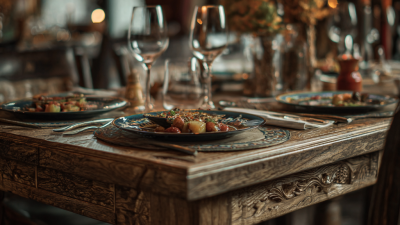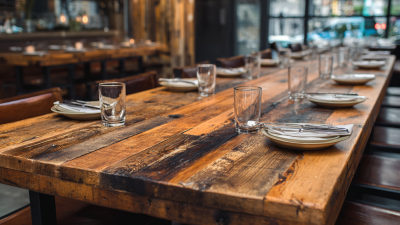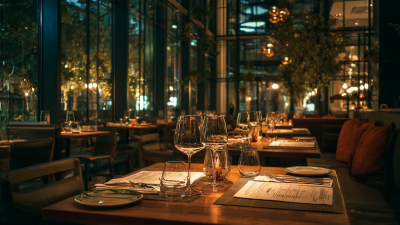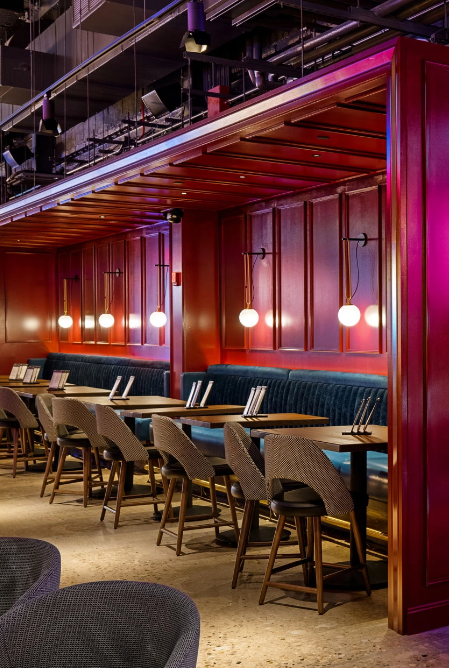

Choosing the right Restaurant Seating Table can shape a dining space’s comfort, efficiency, and visual identity. For global buyers, the decision involves more than appearance or price. Material quality, dimensions, stability, maintenance, shipping protection, and supplier communication all deserve careful review. A busy café needs different tables from a quiet hotel restaurant. Small details matter.
This 2026 guide examines practical seating table options for restaurants, cafés, food halls, and hospitality projects worldwide. It considers solid wood, compact laminate, stainless steel, stone-look surfaces, and mixed-material designs. Each material creates a different customer experience. A warm oak finish may suit a family restaurant, while a sealed compact surface may perform better in a high-turnover venue. Table height, edge design, leg clearance, and wheelchair access also influence daily usability.
No table is perfect. A beautiful surface may show fingerprints, and a durable finish may feel less inviting. Product photos can also hide uneven floors, weak packaging, or difficult assembly. Buyers should request samples, load information, care instructions, and verified product specifications before placing large orders. Regional climate can change the result, especially in humid coastal areas or dry heated interiors. Supplier reliability matters just as much as design.
The following overview helps buyers compare function, style, value, and long-term performance. It also highlights questions worth asking before committing to a supplier. Good choices are rarely accidental.
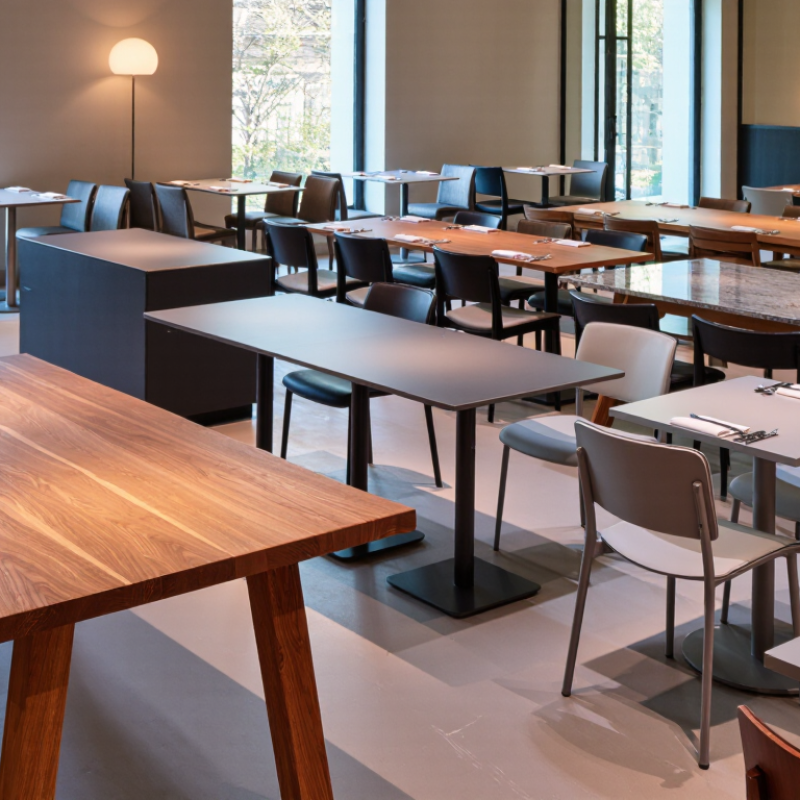
Restaurant seating tables are designed for shared dining, not simply for placing plates. They connect guests, chairs, staff movement, and the restaurant’s visual identity. Unlike ordinary dining tables, they must withstand repeated cleaning, spills, impacts, and daily rearrangement. Their height should match the chosen chairs or booths. Their depth should leave enough room for plates, glasses, and comfortable elbow movement. Small details matter.
In 2026, global buyers are examining more than appearance. They check frame stability, surface resistance, edge safety, and repair options. A well-planned table can improve seating capacity without making the room feel crowded. Round tables encourage conversation, while rectangular tables often use narrow spaces more efficiently. Compact two-person tables also support flexible layouts during quiet hours. Clear dimensions remain essential.
Material choices should reflect the restaurant’s climate and cleaning routine. Moisture-resistant surfaces suit humid dining rooms, while durable finishes help busy operators reduce replacement costs. Buyers should request samples and inspect joints before placing large orders. Photos can hide uneven edges or weak supports. No specification sheet predicts every real-world problem. I have seen attractive layouts fail because chair legs blocked service paths. That mistake deserves careful reflection. A practical review should include staff movement, guest comfort, local safety expectations, and long-term maintenance. Good tables do more than fill a floor plan. They shape how confidently people eat, talk, and return.
| Table Type | Typical Shape | Recommended Capacity | Common Dimensions | Recommended Table Height | Best Restaurant Application | Key Buying Considerations in 2026 |
|---|---|---|---|---|---|---|
| Two-Person Dining Table | Square or round | 2 guests | Square: 600–760 mm per side Round: 600–760 mm diameter |
710–760 mm | Cafés, compact dining rooms, fast-casual restaurants, and flexible seating areas | Choose a compact footprint, durable edge protection, and a movable base so tables can be joined for larger parties. |
| Four-Person Dining Table | Square or rectangular | 4 guests | Square: 760–900 mm per side Rectangular: 760 × 1,200 mm |
710–760 mm | Full-service dining, family restaurants, hotels, and everyday table service | A pedestal base improves legroom and allows easier floor cleaning than four-corner legs. |
| Round Dining Table | Round | 2–6 guests | Diameter: 760–1,200 mm | 710–760 mm | Social dining rooms, bistros, cafés, and spaces where circulation is important | Round tops reduce sharp corners and support conversation, but larger diameters require more reachable tabletop space. |
| Communal Dining Table | Long rectangular | 6–12+ guests | Width: 750–1,000 mm Length: 1,800–3,600+ mm |
710–760 mm | Food halls, casual dining, shared dining areas, and high-turnover venues | Use a strong central support structure, scratch-resistant surfaces, and modular lengths for changing floor plans. |
| Counter-Height Table | Square, rectangular, or communal | 2–6 guests | Width: 600–900 mm Length: 600–2,400 mm |
890–950 mm | Bar-adjacent seating, casual restaurants, cafés, and small-footprint dining areas | Pair with counter-height stools. Confirm knee clearance and avoid placing the table where it obstructs service routes. |
| Bar-Height Table | Round or rectangular | 2–4 guests | Diameter: 600–750 mm Width: 600–750 mm |
1,020–1,070 mm | Bars, lounges, entertainment venues, and standing-friendly social areas | Requires bar-height seating. Stability is especially important because taller tables have a higher center of gravity. |
| Accessible Dining Table | Rectangular or round | 2–4 guests, depending on layout | Top height commonly 710–760 mm Clear knee space: approximately 685 mm high minimum where required by local code |
710–760 mm | Restaurants serving diverse guests, public venues, hotels, and inclusive dining projects | Provide sufficient wheelchair approach space and verify the final design against the accessibility regulations of the installation country. |
| Outdoor Dining Table | Round, square, or rectangular | 2–8 guests | Typical width: 700–1,000 mm Typical length: 700–2,400 mm |
710–760 mm | Patios, terraces, rooftops, courtyards, and sidewalk dining areas | Select UV-resistant, moisture-resistant, corrosion-resistant materials and include adjustable feet for uneven outdoor surfaces. |
| Folding or Nesting Table | Rectangular or square | 2–6 guests | Typical width: 600–900 mm Typical length: 900–1,800 mm |
710–760 mm | Multipurpose restaurants, event dining, training rooms, and venues with changing layouts | Check folded depth, locking mechanisms, caster quality, and the number of staff required for safe handling. |
| Banquette-Compatible Table | Rectangular or round | 2–6 guests | Depth: 600–900 mm Length: 600–1,800 mm |
710–760 mm | Wall seating, fine dining, hotels, and restaurants that maximize perimeter seating | Measure the banquette seat height and depth first. A pedestal base usually provides better access than corner legs. |
Planning note: Actual table sizes, aisle widths, seating capacity, fire-safety requirements, and accessibility clearances must be checked against the building and hospitality regulations applicable in the destination market. As a practical planning guide, allow about 600 mm of tabletop width per seated guest for comfortable dining, while busy-service layouts may require additional circulation space.
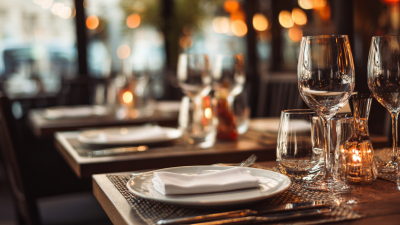
2026 Best Restaurant Seating Tables for Global Buyers
Restaurant seating tables should match dining behavior, not only floor plans. The National Restaurant Association’s 2024 report projected U.S. restaurant sales above $1 trillion, with approximately 15.7 million jobs. That scale increases pressure on every usable seat. Two-top tables suit couples and can join for groups. Four-top tables support family dining and flexible rearrangement. Round tables soften conversation, while narrow rectangular tables improve aisle efficiency. Small footprints matter.
Banquette tables work well against walls and can increase seating density. They also create a warmer, quieter corner. Communal tables suit busy food halls and social dining areas, but some guests may dislike shared proximity. Bar-height tables fit windows, counters, and quick-service zones. Outdoor tables need UV-resistant surfaces, stable bases, and drainage-friendly construction. Folding or nesting models help venues change layouts during peak hours and private events.
The U.S. Access Board emphasizes clear routes and usable dining surfaces in accessible design guidance. Buyers should verify local accessibility rules before selecting table widths and leg positions. The National Restaurant Association also identifies labor and operating costs as continuing industry concerns in its 2024 report. Durable laminate, powder-coated steel, and replaceable components can reduce maintenance pressure. Still, durability claims need testing. A table may look commercial, yet wobble after repeated cleaning. Real-site trials remain essential. Procurement teams should test chair clearance, cleaning speed, edge comfort, and movement noise before approving large quantities.
Choosing restaurant tables requires more than matching a fashionable interior. Materials affect durability, maintenance, and customer comfort. Solid wood creates warmth, while compact laminate handles frequent cleaning and heavy service.
Metal bases improve stability, but poorly finished steel may corrode in humid coastal areas. Stone surfaces look premium, yet they can add shipping weight and require stronger floor protection.
Shape and size should follow the dining pattern. Round tables encourage conversation and suit compact dining rooms. Square tables align efficiently along walls. Rectangular tables support larger groups and shared dishes.
For everyday comfort, allow enough knee space and clear movement between chairs. Table height must match the seating used. Measure the complete chair-and-table combination, not separate products.
A small planning mistake can create uncomfortable traffic.
Request material samples before ordering. Test the surface with water, heat, and common cleaning agents. Check edge sealing, base strength, adjustable feet, and replacement-part availability.
For international projects, confirm packing quality, dimensions, and local safety requirements with qualified professionals.
Matte finishes hide fingerprints better than glossy ones, but they may show scratches sooner. Do not trust photographs alone.
A color can appear warmer under showroom lighting. Consider rounded corners in busy family venues, although sharp geometric designs may better suit refined dining spaces.
Choosing restaurant seating tables starts with the dining room, not the catalog. Measure wall lines, service paths, door swings, and emergency routes before comparing styles. A 700-millimeter square table may suit two guests, but four need comfortable elbow room. Leave enough clearance for servers carrying hot plates. I recommend drawing the layout at full scale. Tape works surprisingly well. It reveals awkward corners quickly.
Match the table to your operation. Solid wood offers warmth, while compact laminate handles frequent cleaning and moisture better. Powder-coated metal bases can improve stability, but narrow feet may catch bags or trip guests. Check the tabletop edge, joint strength, underside clearance, and leveling system. Sit at the table yourself. Test it. Does your knee touch the support? Can a wheelchair approach without twisting? These small tests support accessibility and daily comfort. Ask suppliers for material specifications, load guidance, cleaning instructions, and replacement-part availability. Clear documents make purchasing more reliable across borders.
Global buyers should also inspect packaging and assembly requirements. A well-designed table can arrive damaged if corners lack protection. Confirm dimensions in millimeters and inches, shipping terms, lead times, and sample approval procedures. Do not judge durability from photographs alone. Request a sample or visit a working installation when possible. One common mistake is choosing the lowest price before calculating maintenance, replacement, and labor costs. Check twice. I still think appearance matters, but it should follow function. Leave room for doubt. Restaurant traffic changes with seasons, menus, and guest habits, so the best choice may need adjustment after opening.
2026 Best Restaurant Seating Tables for Global Buyers
Global Buying Factors: Quality, Standards, Shipping, and Cost
Restaurant tables face daily spills, heat, sharp utensils, and frequent movement. Quality starts with stable frames, even surfaces, strong joints, and finishes that tolerate repeated cleaning. In my purchasing experience, a table can look excellent in a showroom but wobble after installation. Ask for material specifications, load capacity, moisture resistance, and repair guidance. Small details matter.
Standards differ between countries and project types. Confirm requirements for dimensions, surface safety, fire performance, and material emissions where applicable. Request test reports from recognized laboratories, but read their scope carefully. A certificate may cover one component, not the entire table. Samples should match production units. Inspect edges, welds, underside protection, and packaging before approving a large order. We once trusted photographs too much. That was a costly lesson.
Shipping affects both schedule and final cost. Compare flat-pack and assembled options, then calculate carton volume, pallet use, port fees, customs charges, and local delivery. Protect corners with firm padding, not excessive plastic. Ask about replacement parts and damage claims before payment. A low unit price can become expensive after delays, storage, or rework. Build a small inspection budget into every quotation. It feels unnecessary until something arrives damaged. For global buyers, reliable communication and clear drawings often save more money than a minor discount.
Common commercial table configurations compared by typical tabletop dimensions and seating capacity. Dimensions are shown in centimetres and reflect widely used restaurant layouts.
For global purchasing, buyers should verify material quality, applicable furniture safety standards, packaging performance, shipping dimensions, import requirements, and total landed cost. Smaller square tables generally simplify handling and flexible layouts, while longer tables increase seating efficiency but require stronger packaging and logistics planning.
©2024 Pine Vista LLC, DBA Design Manufacturing Group. All Rights Reserved.


©2024 Pine Vista LLC, DBA Design Manufacturing Group. All Rights Reserved.