Best Restaurant Seating Table Tips for Efficient Space Use?
When it comes to optimizing space in a restaurant, the design and arrangement of the Restaurant Seating Table plays a pivotal role. According to renowned restaurant design expert, Sarah M. Johnson, "A well-placed table can transform the dining experience." Her insights emphasize the importance of strategic seating arrangements.
Effective use of space can enhance customer satisfaction and increase turnover. Tables should be versatile and comfortable, allowing guests to enjoy their meals without feeling cramped. The layout also impacts service efficiency. A clear path for servers can mean quicker meal delivery, enhancing the overall guest experience.
However, balancing aesthetics and functionality can be tricky. Many restaurants struggle with overcrowding or wasted space. The solution lies in not just choosing the right table, but also in the placement and accessibility. Each decision should consider both the customer's needs and the operational flow. Reflecting on these aspects can lead to better dining experiences and improved restaurant performance.
Understanding Restaurant Space Dynamics and Layouts
Designing a restaurant space efficiently requires a deep understanding of its dynamics. The layout significantly impacts customer experience and operational efficiency. According to a report by the National Restaurant Association, an optimized seating arrangement can increase customer turnover by up to 15%. This directly boosts revenue without additional major investments.
When considering space use, the balance between comfortable seating and maximizing capacity is tricky. A study by the Foodservice Research Institute indicates that nearly 30% of diners value comfort over closeness. Thus, cramped seating may repel customers despite a full house. Assessing foot traffic and flow can guide strategic placements of tables and chairs.
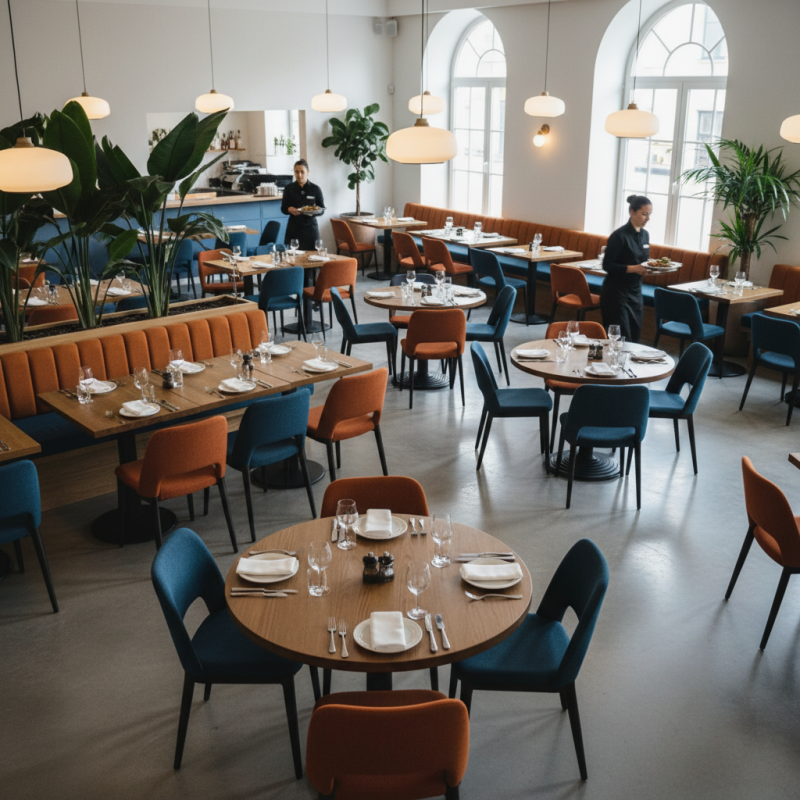
In many cases, restaurants fail to adapt their layouts based on their clientele's preferences. This oversight can lead to wasted space and lower customer satisfaction. Dynamic seating strategies, such as using movable furniture, can enhance adaptability. Adding booths for groups and high-tops for singles addresses various dining needs. Regularly reviewing and adjusting space use according to feedback and trends is essential for maintaining a competitive edge in the dining industry.
Assessing Customer Flow and Seating Arrangements
Assessing customer flow is crucial for optimal seating arrangements in restaurants. Observing peak times helps to understand when the restaurant is busiest. A study by the National Restaurant Association indicates that 65% of customers prefer dining during peak hours. Understanding these patterns can inform better seating strategies.
Using data from table turn rates, restaurants can maximize efficiency. A report from Toast shows that the average table turn time is 60 minutes during peak hours. Fine-tuning the layout can reduce wait times. For instance, placing smaller tables in high-traffic areas might increase accessibility. However, cramped spaces can lead to discomfort, which necessitates careful consideration.
Another aspect is flexibility in seating options. Providing varied seating arrangements can accommodate diverse customer preferences. Research indicates that 72% of diners prefer a quieter space, yet 40% enjoy lively environments. Balancing these aspects can be challenging.
Regular feedback can be invaluable here, guiding adjustments as customer behavior evolves. This reflects a commitment to continuous improvement, critical for maintaining a competitive edge in the dining industry.
Incorporating Flexibility for Seasonal Changes and Events
Creating a flexible restaurant seating plan is essential. Seasonal changes and special events can affect your layout. Offering versatile seating options can help you adapt to varying customer flows. Have a mix of tables and chairs that can easily be rearranged. This approach empowers your staff to respond quickly to last-minute changes.
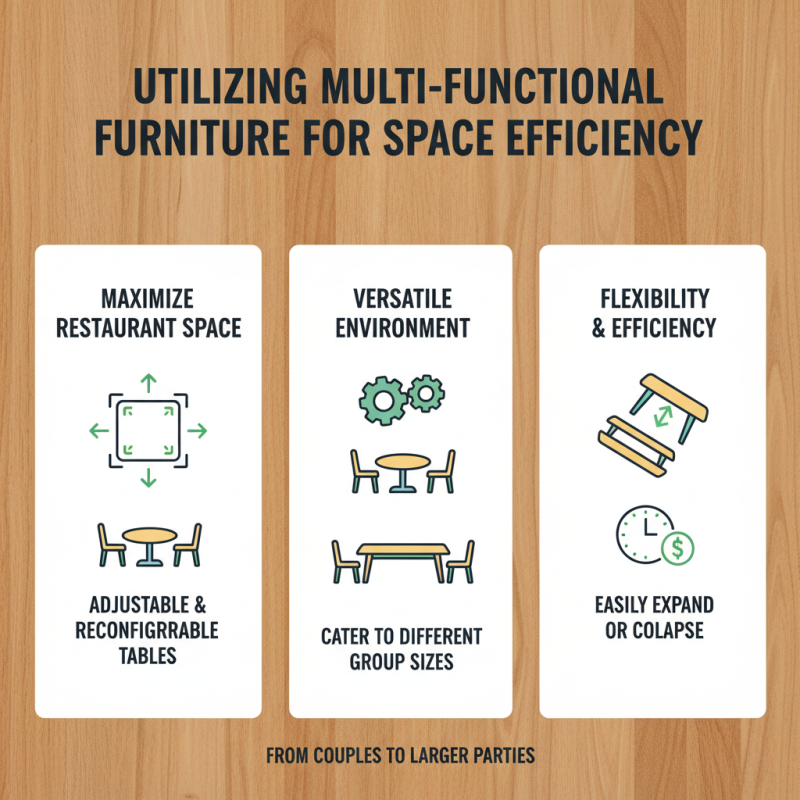
Consider incorporating modular furniture that can cater to different group sizes. This not only maximizes space but creates a welcoming atmosphere. For example, during winter holidays, you might need more intimate seating. A quick rearrangement can transform a large table setup into cozy clusters. Keep in mind that every restaurant has unique needs. What works for one may not suit another.
Regularly assess your layout's effectiveness. Gather feedback from staff about difficulties they encounter. Perhaps some areas feel cramped during peak hours. Listen to customers, too. Their comfort can guide your adjustments. Focus on maintaining a balance between efficiency and experience. Flexibility is key, but it should not compromise functionality.
Best Restaurant Seating Table Tips for Efficient Space Use
| Table Type |
Seating Capacity |
Space Required (sq ft) |
Flexibility Factor |
Ideal Usage |
| Round Table |
4-6 |
40 |
High |
Family or Group Dining |
| Rectangular Table |
6-8 |
60 |
Medium |
Larger Gatherings or Events |
| Bar Table |
2-4 |
20 |
Very High |
Casual Dining or Drinks |
| Booth Seating |
4-8 |
50 |
Medium |
Intimate Settings or Families |
| Multi-Purpose Table |
2-10 |
70 |
Flex |
Events, Meetings, and Dining |
Prioritizing Customer Comfort in Space Utilization Strategies
Creating a comfortable dining experience goes beyond just choosing the right menu. Proper seating arrangements can greatly influence customer satisfaction. An efficient seating strategy must prioritize comfort alongside maximizing space. For instance, a well-spaced table layout allows for easy movement, which enhances the dining experience. Customers need room to breathe, and that means avoiding crowded setups.
It's important to consider the size and shape of tables. Round tables are often perceived as more intimate. They encourage conversation and connection. However, they may also limit space. Alternatively, rectangular tables can fit into tighter spaces but may feel less cozy. Finding the right balance is crucial. Aim to offer a mix of table styles to cater to diverse customer preferences.
Reflecting on this approach reveals areas for improvement. Are there times when tables are too close? Do customers feel rushed during peak hours? Regular feedback can illuminate how to refine seating strategies. Observing dining interactions can provide insight into how design impacts comfort. An adaptable seating design may pave the way for a better customer experience.
Best Restaurant Seating Table Tips for Efficient Space Use
This chart demonstrates the relationship between customer comfort levels and table arrangement efficiency in restaurants. The data is based on surveys measuring customer satisfaction across different seating layouts.