

Best Types of Sleep Shorts for Wholesale Buyers

Sleep Shorts may look like a simple category, but wholesale buyers must balance comfort, cost, and reliable demand. A pair that feels soft on a sample table still needs to hold its shape after repeated washing. Fabric weight, stretch, seam placement, and waistband recovery all affect the customer’s experience. Small details matter.

This guide explores popular types of Sleep Shorts, from breathable cotton styles to smooth modal blends and lightweight satin designs. Each option serves a different need. Cotton can suit everyday wear, while satin may appeal to shoppers seeking a polished gift or coordinated sleep set. No fabric is perfect for every climate, price point, or customer.

For buyers, the useful question is not simply which style looks best. It is whether the product matches the intended market and performs consistently across sizes and production runs. Check fabric composition, measurements, stitching, care instructions, and available color options before placing a large order. Ask for samples, and compare them after washing. That step can reveal issues a product photo will not show.

There are trade-offs. A lower unit price may leave less room for quality checks, while extra detailing can raise costs without improving everyday comfort. This overview offers a practical starting point for comparing styles and choosing a range with clear value. Some choices will still depend on customer feedback. That is worth admitting.
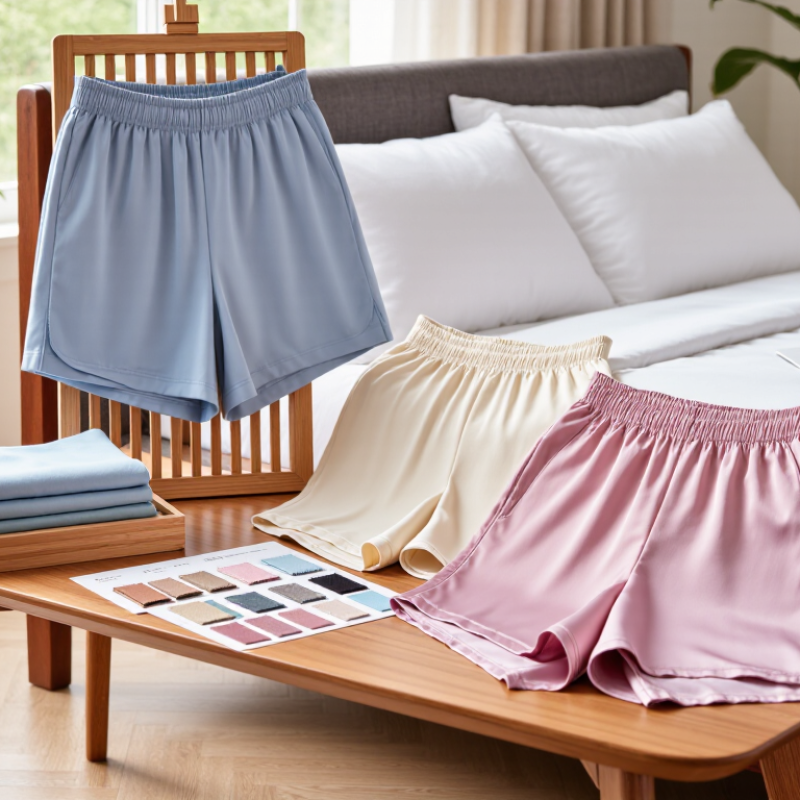
Best Types of Sleep Shorts for Wholesale Buyers

What Sleep Shorts Are and How They Differ from Other Sleepwear

Sleep shorts are lightweight, short-legged bottoms made primarily for sleeping. They usually have a relaxed fit, a soft waistband, and fabric that feels comfortable against skin. Cotton jersey, woven cotton, and modal blends are common options, though each drapes and breathes differently. A pair should allow easy movement without bunching under the thighs. Small details matter: a bulky drawcord or scratchy inner label can disturb sleep.

Sleep shorts differ from lounge shorts because they are usually lighter and designed for bed, not errands or extended daytime wear. Compared with underwear, they offer more coverage and often use less restrictive waistbands. Unlike full pajama bottoms, they leave the lower legs uncovered, which can feel cooler in warm rooms. For wholesale buyers, check inseam length, waistband stretch, seam placement, and fabric opacity across sizes. These details affect comfort and consistency between samples and bulk orders. The distinction can blur. Some customers sleep in lounge shorts, while others prefer a longer cut. There is no single ideal spec; fit preferences vary, and that can make range planning less tidy than expected.

Common Fabrics Used to Make Sleep Shorts

Cotton, modal, and polyester blends are common choices for sleep shorts, but each feels different against the skin. Cotton percale has a crisp, dry touch and works well in warm rooms. Cotton jersey feels softer and stretches more, though it may cling when damp. Modal fabrics usually drape smoothly, making them suitable for relaxed silhouettes. Test the finished fabric, not just the fiber name. Waistbands, seams, and garment washing can change how shorts feel after repeated wear.

Polyester is often blended with cotton or stretch fibers to improve drying time and help garments keep their shape. Textile Exchange’s Materials Market Report 2024 estimates global fiber production reached 124 million tonnes in 2023, with polyester making up 57 percent. That figure describes the wider textile market, not sleep shorts specifically, but it shows why buyers encounter polyester so often. Small details matter. A lightweight blend can feel cool in a sample room yet less comfortable in a humid bedroom. Ask suppliers for fabric weight, fiber composition, and wash-test results, then compare samples after laundering. Softness alone is a weak buying test.

The Main Types of Sleep Shorts Available for Wholesale

Wholesale sleep shorts generally fall into several useful categories: woven cotton, knitted jersey, lightweight modal blends, and satin-style fabrics. Cotton poplin feels crisp and airy, making it a practical choice for warm bedrooms. Its structure also helps shorts keep a neat shape on a retail display. Buyers should check shrinkage and seam finishing before placing large orders.

Jersey sleep shorts have a softer, more relaxed feel. Their stretch suits lounging and movement, while elastic waistbands and adjustable drawstrings offer familiar fit options. Modal blends often feel smooth against the skin and drape closely, but their care requirements may differ from cotton.

Not every customer agrees. Some prefer a firmer fabric, so a mixed assortment can serve different preferences.

Satin-style shorts create a lighter, fluid look and can work well in coordinated sleep sets. Check fabric opacity, snag resistance, and waistband comfort on samples; a glossy surface may look appealing but feel less breathable to some wearers. Buyers can compare inseam lengths, pocket placement, and size grading across styles before choosing quantities. Keep that in mind. A balanced wholesale range might include one everyday cotton option, one stretchy jersey design, and a lighter choice for customers seeking a smoother finish.

Key Features That Affect Comfort, Fit, and Durability

For wholesale buyers, comfort starts with fabric weight, surface feel, and airflow. Lightweight cotton jersey feels familiar against the skin, while modal blends often drape smoothly and resist a stiff feel. Neither option suits every customer. Softer fabrics can pill sooner, especially when knit loosely or washed often. That trade-off deserves a sample check.

Fit depends on more than the size label. Review the rise, leg opening, and seat width on several body types. A waistband should lie flat without digging in, even when elastic is stretched repeatedly. Check that drawstrings stay secure and do not create bulky knots. Fit matters. A small grading error can make an otherwise comfortable short feel restrictive.

Durability comes from fabric construction and sewing details. Look for even stitching at the inseam, reinforced stress points, and seams that do not twist after laundering. Ask suppliers for care guidance, then wash and dry samples using realistic conditions. Compare measurements before and after. Color changes and shrinkage may be modest, but they can affect repeat orders. Small details last. A specification sheet helps, though it cannot replace handling a finished sample.

Best Types of Sleep Shorts for Wholesale Buyers

Typical fabric characteristics compared for comfort, fit, and durability

Ratings are indicative comparative scores on a 1–5 scale, based on common characteristics of each fabric type. Actual performance varies with fiber quality, fabric weight, knit or weave, and garment construction. Use samples and wear testing to verify suitability.

How Wholesale Buyers Can Compare Sleep Shorts for Their Market

Best Types of Sleep Shorts for Wholesale Buyers

Wholesale buyers can compare sleep shorts by looking beyond color and price. Fabric weight, stretch, seam finish, and waistband comfort affect how a style performs in real use. Cotton jersey feels familiar and breathable, while modal blends often drape smoothly against the skin. Lightweight woven shorts may suit warmer climates, but their seams and waistbands should not feel stiff. Fit matters.

Review a size set, not just one sample. Check whether the rise and leg opening remain comfortable across sizes, and measure the waistband after stretching it repeatedly. Ask suppliers about fabric composition, shrinkage testing, color consistency, and care instructions. These details help buyers judge quality and reduce surprises in bulk orders. Small differences count.

Market preferences vary. Customers in humid regions may favor lighter fabrics, while cooler markets can support a denser knit. Compare packaging, available size ranges, reorder lead times, and minimum quantities against your sales plan. The comparison is not always neat: a soft fabric may wrinkle more, and a low unit price may come with fewer color choices. Request samples in the intended colors, then wash and wear them before committing. One test is not perfect, but it can reveal problems that a product sheet misses.

Best Types of Sleep Shorts for Wholesale Buyers - How Wholesale Buyers Can Compare Sleep Shorts for Their Market

Sleep Shorts Type Common Fabric Options Feel, Breathability & Stretch Potential Market Fit Care & Wear Considerations Wholesale Comparison Points
Cotton Woven Often 100% cotton; may also include a small amount of elastane. Lightweight woven cotton is generally breathable and has little natural stretch. The fabric’s feel depends on its weave and finish. A versatile option for customers who prefer a crisp, classic sleepwear feel, including warmer-weather assortments. Follow the care label. Cotton can shrink if washed or dried at high temperatures; pre-shrunk fabric can help reduce, but does not eliminate, shrinkage. Compare weave, fabric weight, shrinkage testing, seam finish, and whether the waistband or fabric includes stretch.
Cotton Jersey Knit Commonly 100% cotton or cotton blended with elastane. Soft, flexible knit with more give than plain woven cotton. Breathability and recovery vary with fabric construction and fiber blend. A familiar everyday choice for customers who value ease of movement and a relaxed fit. Check for shrinkage, twisting, and loss of shape after laundering. Care instructions depend on the fiber blend and finish. Review stretch and recovery, fabric weight, waistband construction, and fit consistency across the size range.
Modal or Modal-Blend Knit Modal is commonly blended with cotton, elastane, or other fibers. Typically smooth and drapey, with a soft hand feel. Stretch depends on whether the fabric is knitted and whether elastane is included. May suit assortments positioned around a soft, fluid feel and a closer, flexible fit. Care performance varies by blend and construction. Follow the garment label and assess the fabric after repeated washing. Compare fiber content, fabric weight, opacity, pilling performance, and how well the fabric retains its shape.
Bamboo-Derived Viscose Viscose made from bamboo-derived cellulose, sometimes blended with elastane or other fibers. Often soft and drapey. As a regenerated-cellulose fabric, its breathability, stretch, and durability depend on construction and blend. Could appeal to shoppers looking for a smooth-feeling, lightweight option. Confirm the exact fiber description for product labeling. Follow care instructions carefully; some viscose fabrics can be more sensitive to wet handling or high heat than many cotton fabrics. Check the stated fiber composition, care testing, shrinkage, seam strength, and the accuracy of any fiber or sustainability claims.
Polyester Satin Usually polyester yarns in a satin weave; the term “satin” describes the weave, not the fiber. Smooth surface with a sheen and fluid drape. It generally has less absorbency than cotton, and stretch depends on the fabric construction. May suit occasion-led or gift-oriented ranges where a glossy appearance is a priority. Can be prone to snagging depending on yarn and construction. Follow the care label and test colorfastness and seam durability. Compare sheen, opacity, snag resistance, color consistency, and whether the fabric is woven or stretch satin.
Linen or Linen-Blend Woven 100% linen or blends such as linen with cotton or viscose; blend proportions vary. Linen is known for a textured feel and airflow through the fabric. Woven versions typically have little stretch unless blended with stretch fibers. May fit warm-weather or natural-texture assortments and customers who appreciate a relaxed, less polished look. Linen can wrinkle readily. Shrinkage and softness depend on fiber blend, fabric finishing, and laundering. Compare blend composition, fabric weight, finishing, wrinkle expectations, shrinkage, and consistency of texture and color.
Polyester Performance Knit Polyester or polyester blends, sometimes including elastane. Can be lightweight, quick-drying, and stretchy when knitted with elastane. Moisture management varies by yarn, knit, and finish. May suit travel, warm-climate, or active-lifestyle sleepwear ranges where easy-care properties are valued. Performance varies by construction and finish. Follow care directions and assess odor retention, pilling, and colorfastness after washing. Compare stretch recovery, breathability, drying behavior, fabric hand, finish durability, and any substantiated performance claims.

Comparison note: These are general fabric characteristics, not guaranteed specifications. Actual feel, care performance, and durability depend on fiber content, fabric weight, construction, dyeing, and finishing. Confirm product samples, test results, and care labels before placing a wholesale order.

137 Seacoast Ave, New York, NY 10094
+1 (234) 466-9764
Excuisite food, unforgettable atmosphere...