Best Table Booths For Restaurants What You Need to Know?
When designing a restaurant, the choice of seating is crucial. Table booths for restaurants offer both comfort and style. They can enhance the dining experience. The right booths can create an intimate atmosphere while also serving a practical purpose.
Choosing table booths involves understanding various styles, materials, and layout options. The ideal booths provide enough space without compromising comfort. Consider the fabric and durability, especially for high-traffic areas. Many restaurants face challenges finding the perfect fit. Size and design often require careful measurement and planning.
Table booths not only influence aesthetics; they impact customer satisfaction. A cozy booth can encourage longer visits and repeat customers. Yet, it’s important to balance appearance with functionality. Knowing what works best for your restaurant's theme is key. Reflecting on your choices can lead to better design decisions and enhance guest experiences.
Understanding the Importance of Table Booths in Restaurants
Table booths play a crucial role in enhancing the dining experience. Research indicates that restaurants with booths can increase guest satisfaction by up to 20%. Customers often feel more comfortable and relaxed in booths, as they offer greater privacy. This leads to longer dining times and potentially higher check averages.
The importance of table booths extends beyond comfort. According to a study by the National Restaurant Association, restaurants that utilize booths can optimize their seating arrangements. They can fit more guests into a smaller space while maintaining a welcoming atmosphere. About 70% of patrons prefer booths over traditional tables, especially for family gatherings or special occasions.
However, not all booths are created equal. Poorly designed or maintained booths can negatively impact the overall restaurant environment. Stains, discomfort, and inadequate spacing can deter diners. It's essential for restaurant owners to regularly evaluate the condition of their booths. Making adjustments as needed can elevate the dining experience significantly. Investing in quality materials and ergonomic designs should be a priority for long-term success.
Best Table Booths For Restaurants What You Need to Know?
| Dimension |
Description |
Material |
Comfort Level |
Price Range |
| 48"x 36" |
Two-person booth with cozy design. |
Upholstered fabric & wood frame |
High |
$500 - $700 |
| 60"x 48" |
Four-person booth, spacious for families. |
Vinyl & metal frame |
Medium |
$800 - $1000 |
| 72"x 30" |
Rectangular booth for large groups. |
Leather & wood |
Very High |
$1200 - $1500 |
| 36"x 36" |
Compact one-person booth for singles. |
Leatherette & steel |
Medium |
$400 - $600 |
| 48"x 48" |
Two-to-four-person corner booth. |
Wood laminate & fabric |
High |
$700 - $900 |
Key Factors to Consider When Choosing Table Booths
When choosing table booths for restaurants, several key factors should be meticulously considered. First, space efficiency plays a central role. According to a report from the National Restaurant Association, effective space utilization can increase seating capacity by up to 15%. This means that well-designed booths should fit seamlessly into the available area, promoting optimal flow and comfort for guests.
The materials used in booth construction also significantly impact longevity and maintenance. High-quality upholstery and durable frames can help withstand daily wear and tear. Research shows that booths made from commercial-grade materials can last between 5 to 10 years longer than their cheaper counterparts. This longevity translates to better cost management over time, as replacements can be a significant expense.
Aesthetics and comfort cannot be overlooked either. Diners are increasingly looking for an inviting atmosphere. A study by HVS Global Hospitality Services reveals that ambiance directly influences customer satisfaction scores. Hence, selecting booths that enhance the restaurant's theme while ensuring comfort is crucial. Reflecting on these factors can help restaurant owners make informed decisions, ultimately leading to a successful dining experience.
Types of Restaurant Table Booths and Their Features
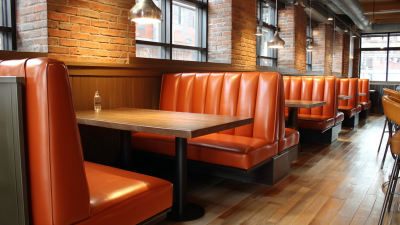
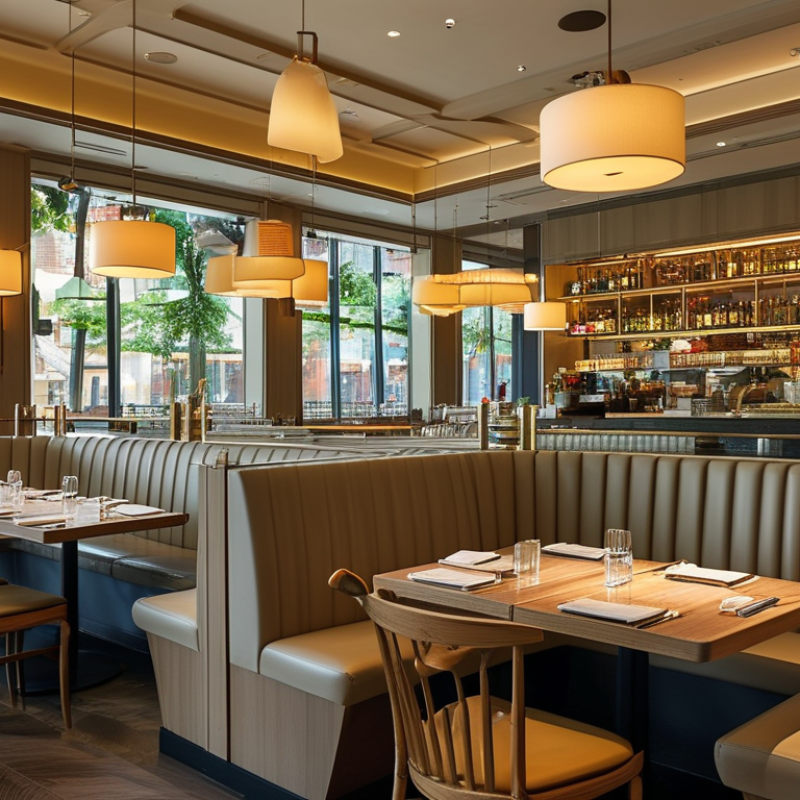
When selecting table booths for restaurants, understanding the types available is vital. Restaurant booth styles include traditional, modern, and high-back booths. Each style has unique features that cater to different dining experiences. Traditional booths offer a cozy feel, perfect for casual dining. High-back booths provide privacy, making them ideal for more intimate settings.
According to a survey conducted by the National Restaurant Association, 67% of diners prefer booths over tables for group dining. This preference highlights the demand for booths that promote comfort. Additionally, research shows that booths maximize space efficiency, allowing eateries to seat more customers in tighter areas. Many establishments are recognizing the growing trend towards booths as a way to enhance their seating layout while boosting customer satisfaction.
Material choice is crucial in booth design. Upholstered booths offer comfort, but vinyl is easier to clean. Wood booths add warmth, but they can be more expensive. A study indicated that 45% of customers notice the aesthetic quality of booths affecting their overall dining experience. While investing in quality booths, restaurants should also consider maintenance and durability. The balance between style and practicality can be challenging yet essential for long-term success.
Benefits of Installing Table Booths in Your Dining Space
Installing table booths in your restaurant can transform the dining experience. They create a cozy atmosphere while maximizing space. Booths offer privacy, making your customers feel more at ease. This comfort can encourage guests to stay longer and order more.
Think about the materials used for booths. Durable fabrics or vinyl can withstand heavy use. Easy-to-clean surfaces help maintain hygiene, which is crucial in food service. Consider the layout carefully. Proper spacing can prevent a cramped feel, even in smaller areas.
Lighting plays a key role too. Warm, inviting lighting enhances the booth’s charm. Experiment with different styles to find what suits your brand. Remember, not every booth will fit every dining concept. Some people might prefer a traditional dining table.
It's important to gather customer feedback after installation. Listen to what your guests say about their experiences. This information is invaluable for improving your space. Regularly assess the booths for wear and tear; this keeps the ambiance fresh and appealing.
Tips for Maintaining and Cleaning Restaurant Table Booths
Maintaining and cleaning restaurant table booths is essential for both hygiene and customer satisfaction. Regular cleaning helps prevent the buildup of dirt and bacteria. Start by wiping down the surfaces with a damp cloth daily. Use a gentle cleaner that is safe for upholstery. Pay attention to seams and crevices where food particles may hide.
Beyond daily upkeep, deep cleaning should occur weekly. Vacuuming upholstery removes crumbs and dust effectively. For stains, spot cleaning is critical. Always test a small area first to avoid discoloration. If fabric shows wear, consider professional cleaning services. This investment can extend the life of your booths significantly.
Remember, cleanliness can impact customer perception. Patrons notice the details. If booths appear worn or dirty, they may choose to dine elsewhere. Regular maintenance fosters a welcoming environment, encouraging repeat visits. Reflect on your current processes. Are you dedicating enough time to clean and inspect your booths?