Why Choose Restaurant Booths and Tables for Your Dining Experience?
Choosing the right setting for dining transforms any meal into a memorable experience. Restaurant booths and tables come with unique benefits that enhance ambiance and comfort. Booths provide privacy for intimate meals, letting diners feel cozy and relaxed. Tables foster a sense of togetherness, perfect for family gatherings or celebrations.
The design and layout of restaurant booths and tables influence the overall atmosphere. A well-arranged dining area invites guests to linger longer, enjoying their food and company. However, not every restaurant gets this balance right. Some spaces feel cramped or too open. Finding the right mix is essential for a pleasant dining experience.
Restaurant booths and tables can also shape customer preferences. A booth might be appealing for a quiet night out, while a table might attract larger groups. Understanding these dynamics is crucial. A thoughtful approach to seating can elevate the dining experience, making each visit special. Reflecting on these choices can lead to better design and customer satisfaction.
Benefits of Restaurant Booths: Comfort and Privacy
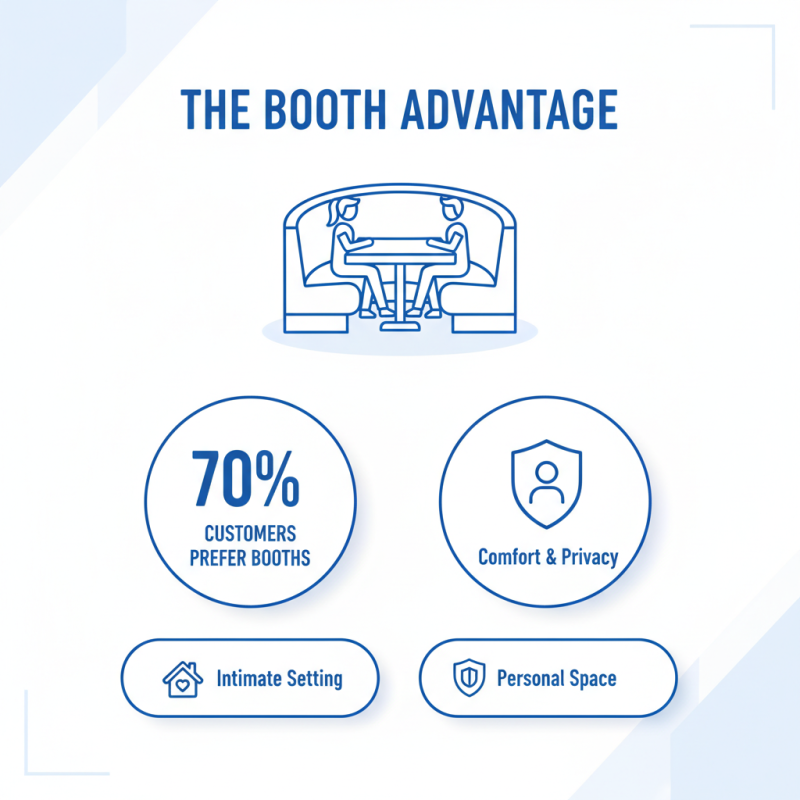
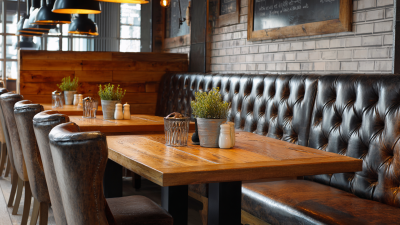
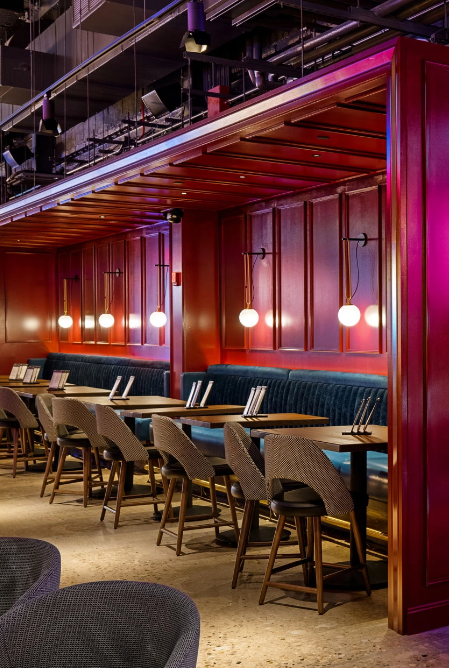
Restaurant booths offer more than just a place to sit; they provide a unique atmosphere for diners. Statistics show that over 70% of customers prefer booths over tables for their dining experience. This choice often stems from the comfort and privacy that booths offer. In a world where we crave personal space, booths create an intimate setting.
Comfort is crucial in a dining experience. Reports indicate that diners who feel comfortable are likely to spend 20% more on their meals. The padding on booth seats enhances relaxation. Additionally, the design of booths minimizes noise, making conversations easier. The strategic placement of booths in restaurants allows for a barrier between groups, which fosters privacy.
However, not every booth design is perfect. Some may feel cramped or constricted, especially for larger guests. This feedback is essential for restaurants to consider when designing their layouts. Balancing space and comfort is an ongoing challenge. Customers often seek booths, yet they desire room to move freely. Understanding these dynamics can lead to an improved dining experience that satisfies all guests.
Enhancing Aesthetics: The Visual Appeal of Booths and Tables
Restaurant booths and tables are vital in shaping the dining environment. Their design can greatly enhance the visual appeal of a space. According to a report by the National Restaurant Association, more than 60% of diners prefer booths for comfort and style. The cozy, enclosed feel of booths creates intimacy, inviting guests to linger. This element of privacy can significantly improve the overall dining experience.
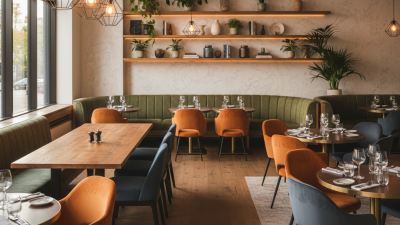
Tables, however, also play a key role in aesthetics. A well-designed table can act as a focal point in a restaurant. Sleek finishes and unique shapes can make a statement. In fact, 70% of restaurateurs believe that table design affects customer perception. The right combination of booths and tables can transform an ordinary space into a stylish eatery.
Yet, achieving the perfect balance can be challenging. Some diners might find booths too constricting. Conversely, tables can feel too open in larger spaces. Reflecting on these factors, it’s crucial for restaurant owners to consider both comfort and design. Striking the ideal aesthetic and functional balance can be a daunting task.
Space Utilization: Maximizing Dining Areas with Booths
Creating an inviting dining area is crucial for restaurants. Utilizing booths and tables effectively can enhance the experience. Booths often occupy less floor space compared to traditional tables, making them ideal for maximizing areas. They fit snugly along walls, leaving open spaces for movement.
Tips: Consider the layout. Ensure booths are not too close. Allow diners to feel comfortable and private.
Booths function as natural sound barriers. They can minimize noise levels, which helps in creating a relaxed environment. Families with children often prefer booths for their coziness. However, if spacing is not planned well, it can feel cramped. Small, narrow restaurants might struggle with this.
Tips: Evaluate your clientele. Adjust booth heights and designs to suit your target audience. Comfort should be prioritized, but don’t overlook aesthetics.
The right balance between booths and tables creates a welcoming atmosphere. Too many booths can clutter a space. Ensure there’s a flow that encourages movement without congestion. When done correctly, booths can enhance both space and the overall dining experience.
Space Utilization: Maximizing Dining Areas with Booths
Versatility of Tables: Adaptability for Different Dining Needs
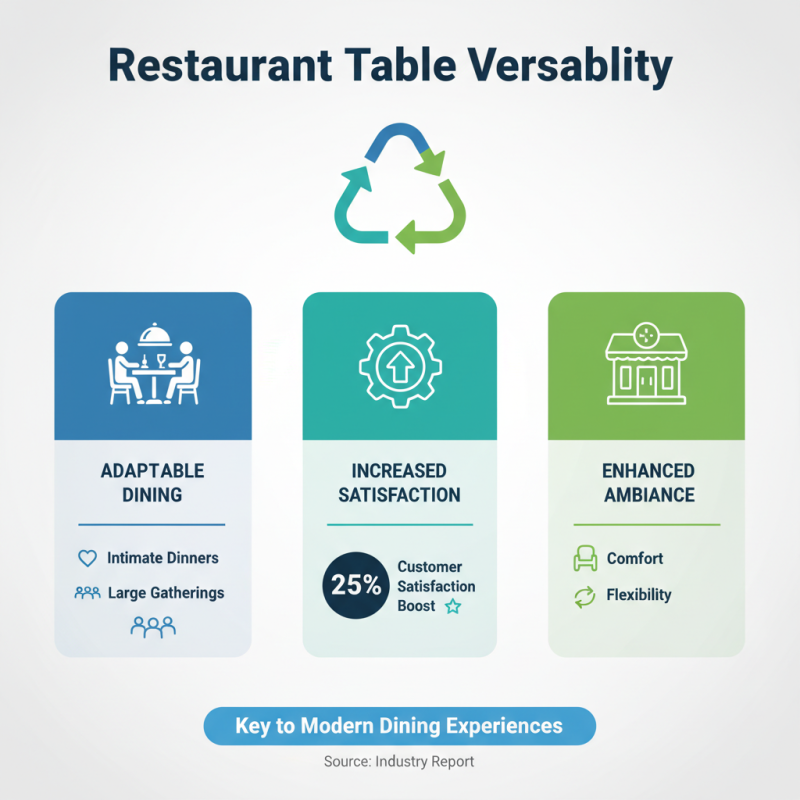
Tables in restaurants offer significant versatility for diverse dining experiences. A recent industry report revealed that adaptable dining setups can increase customer satisfaction by 25%. This is crucial in a market where diners seek both comfort and flexibility. Tables can be arranged for intimate dinners or larger gatherings. This adaptability enhances the overall ambiance of the space.
Interestingly, a study from the National Restaurant Association indicated that 70% of diners prefer flexible seating. This preference creates opportunities for restaurants to adjust their layouts according to peak hours. Even so, not every restaurant embraces this design. Some establishments stick to fixed layouts, limiting potential engagement. This rigidity can detract from the dining experience, as it fails to cater to varying group sizes and preferences.
Incorporating tables that can be moved or modified reflects a restaurant’s responsiveness to customer needs. A dynamic space invites diners to feel more at ease, whether they are celebrating a special occasion or just grabbing a quick meal. However, achieving the right balance is challenging. Suitable arrangements must prioritize both comfort and accessibility, without overcrowding the dining area.
Customer Experience: The Impact of Seating Choices on Dining Enjoyment
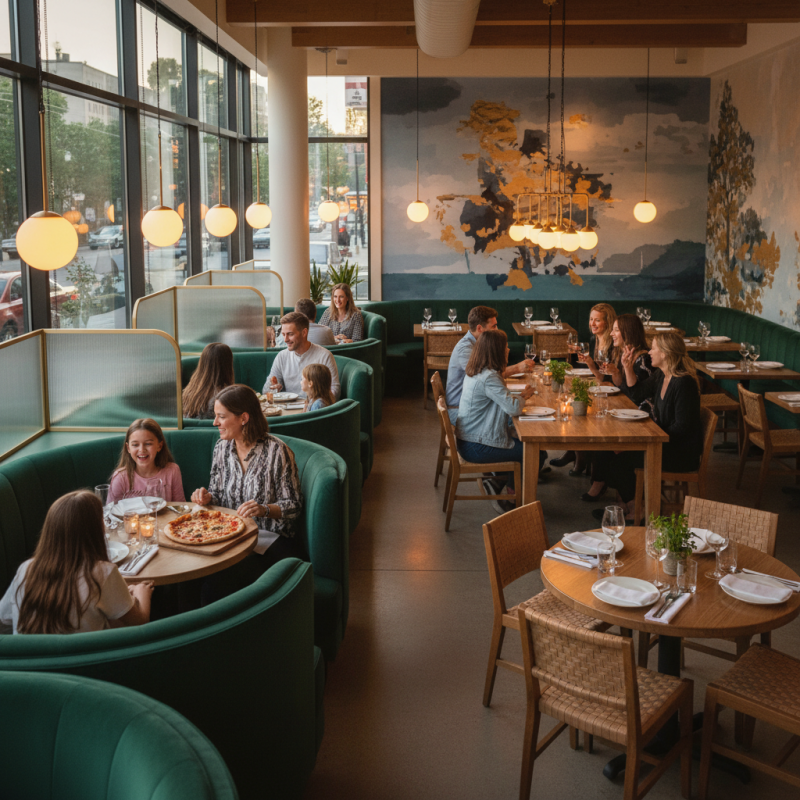
The choice of seating in a restaurant plays a crucial role in overall dining enjoyment. Restaurant booths and tables create distinctly different atmospheres. Booths often offer a sense of privacy, ideal for intimate conversations. The cozy design fosters relaxation and can enhance the meal experience. In contrast, traditional tables encourage social interaction, making them better for larger groups.
Tips for choosing the right seating: Consider your group size. For a date, a booth might be perfect. For a family dinner, opt for a table that allows movement. Lighting also matters. A well-lit booth can feel inviting, while dim lighting can make tables seem more casual.
Another point to reflect on is comfort. Some booths may feel cramped, while other tables can be too spacious, making interactions feel distant. Even the material of the seating matters. Plush cushions may invite you to linger, but hard benches can lead you to hurry your meal. Choose seating that aligns with how you want to experience the dining occasion.
Why Choose Restaurant Booths and Tables for Your Dining Experience?
| Seating Type |
Comfort Level |
Intimacy |
Capacity |
Aesthetic Appeal |
| Booths |
High |
Moderate |
4-6 people |
Cozy and inviting |
| Tables |
Moderate |
Low |
2-10 people |
Versatile design options |
| Communal Seating |
Variable |
High |
8+ people |
Trendy and social |
| Outdoor Seating |
High |
Moderate |
2-6 people |
Relaxing and scenic |