How to Choose Elegant Bridal Gowns for Your Wedding?
Choosing Elegant Bridal Gowns is less about following a trend and more about finding a dress that feels right in real life. Begin with the setting, season, and practical details: a fitted satin skirt may feel different on a warm outdoor lawn than in a cool ballroom. Consider how easily you can sit, walk, and lift your arms. Small details matter. A hem that brushes the floor, a neckline that stays secure, and fabric that moves comfortably can shape your whole day.
Fashion designer Vera Wang has said, “A woman is never sexier than when she is comfortable in her clothes.” It is a useful reminder when comparing silhouettes, fabrics, and embellishments. Try gowns in person when possible, and notice how each one feels after several minutes—not only how it looks in a mirror. Ask a trusted stylist about alterations, support, and fabric care, and check the boutique’s policies before placing an order. Your budget should include more than the gown: fittings, accessories, and possible changes can add up. There is no perfect formula. Even careful planning can miss something, and that is worth remembering. This guide explores how to balance personal style, comfort, craftsmanship, and budget when choosing a gown that suits both your wedding and you.
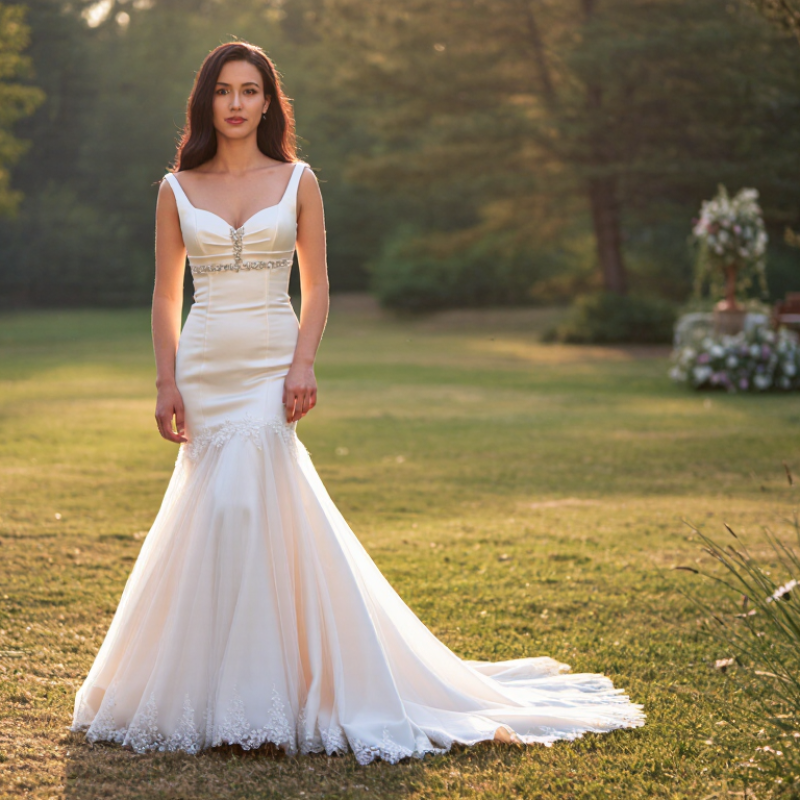
Identify Your Wedding Style, Venue, and Dress Requirements
How to Choose Elegant Bridal Gowns for Your Wedding?
Identify Your Wedding Style, Venue, and Dress Requirements
Start with the feeling you want your wedding to have: relaxed, formal, modern, or garden-inspired. Then consider the venue, because a gown should work in its setting as well as look beautiful. A long train may suit a ballroom, but it can catch on grass or narrow steps. For an outdoor ceremony, check the forecast and think about breathable fabric, sturdy shoes, and a layer for cooler evenings. Small details matter.
Write down practical requirements before booking fittings. Note the ceremony time, expected temperature, dress code, and how much walking or dancing you plan to do. Ask the venue about stairs, seating, and any clothing guidelines. A fitted gown can look striking, but try sitting, reaching, and walking in it. If alterations are needed, ask a qualified seamstress about timing and movement. It is easy to focus on photographs and overlook comfort; that happens.
Tips: Bring shoes with a similar heel height to your planned pair, plus photos of your venue. Try each gown in natural light when possible. Take notes after fittings, including what feels awkward. You do not need to decide on the first visit. A gown that fits your plans may feel more elegant than one that only matches an imagined picture.
Compare Bridal Gown Silhouettes and Their Formality
An elegant bridal gown should suit the ceremony’s setting as well as its dress code. A structured ball gown feels at home in a grand hall, especially with a long train and crisp satin. An A-line offers similar polish with easier movement. Sheath and fit-and-flare gowns tend to feel less formal, though heavy crepe, lace, or a sweeping train can make them ceremony-ready. Silhouette alone does not decide formality; fabric, length, and construction matter too. Small details matter.
The Knot’s 2024 Real Weddings Study, based on nearly 17,000 U.S. couples married in 2023, reported an average wedding-dress spend of about $2,000. Treat that figure as a planning reference, not a rule: prices and expectations vary by location and gown details. When comparing options, try sitting, walking, and turning in each dress. A dramatic skirt may look striking in photographs but feel cumbersome in a narrow aisle. I have seen brides focus on the mirror and forget the room.
Tips: Match the silhouette to the venue’s scale. For a formal ballroom, consider a defined waist or train. For a garden ceremony, a lighter A-line or sheath can feel graceful without dragging across grass. Check the hem with your actual shoes, too.
Choose Fabrics, Details, and Colors for an Elegant Look
An elegant bridal gown begins with fabric that suits the setting and moves comfortably. Silk satin gives a smooth, luminous surface, while crepe drapes cleanly and feels less formal. Lace adds texture, but a heavily embellished bodice can feel visually crowded. Try sitting, walking, and turning during fittings; a gown should look graceful beyond the mirror. Small details matter.
Fabric choice also has a wider context. Textile Exchange’s Materials Market Report 2024 estimates that polyester made up 57% of global fiber production in 2023. That figure is not specific to bridalwear, but it shows how common synthetic fibers are. Ask about fiber content, lining, and care needs rather than judging fabric by appearance alone.
The Knot’s 2024 Real Weddings Study reported an average U.S. wedding dress spend of about $2,000, a useful planning reference, not a required budget.
For color, compare ivory, soft white, and champagne against your skin in natural daylight. Warm indoor lighting can make shades look deceptively similar. A narrow ribbon belt, covered buttons, or fine sleeve embroidery can add polish without competing with the dress’s shape. Keep one element slightly imperfect if it feels personal; elegance need not look untouched. The final choice should feel comfortable enough that you stop adjusting it.
Assess Fit, Comfort, Budget, and Alteration Needs
An elegant bridal gown should feel composed, not restrictive. During a fitting, sit, raise your arms, and take several full steps. Check whether the bodice stays in place and the seams lie flat without pinching. A skirt that brushes the floor beautifully may snag on stairs or feel heavy after hours. Comfort matters. Try the dress with the shoes and undergarments you plan to wear; even a small change can affect the fit.
Compare the gown’s total cost, not just its price tag. Include shoes, undergarments, cleaning, and likely alterations in your budget. Ask the seamstress what can be adjusted, how many fittings are typical, and when the final fitting should happen. Hem changes are common, while reshaping a structured bodice may take more time and money. Leave room for surprises. It is easy to underestimate how a small alteration can change the way a dress feels.
Tips: Bring your wedding shoes to fittings. Sit down and move naturally, rather than holding a perfect pose. Write down any pressure points after each appointment; details are easy to forget. Allow time between the final fitting and the wedding, because bodies and schedules do not always follow the plan.
How to Choose an Elegant Bridal Gown
Example gown evaluation across fit, comfort, budget, and alteration needs
The scores below are an illustrative example, not survey or market data. Rate each gown from 1 (poor) to 5 (excellent): check the fit while standing and sitting, move comfortably, include alterations in your budget, and confirm there is enough time for fittings.
Finalize Your Gown and Coordinate Accessories and Fittings
Finalize your gown with the full wedding-day outfit in mind. The Knot’s 2024 Real Weddings Study, based on 17,500 U.S. couples married in 2023, reported average wedding-dress spending of about $2,000. Treat that figure as a planning reference, not a target: alterations, shoes, and undergarments may add to the final cost. Leave room in your budget for a skilled seamstress and at least one fitting adjustment.
Bring your actual shoes and intended undergarments to each fitting. A heel change can shift the hem, while a different bra may alter the gown’s fit at the neckline. Walk, sit, and raise your arms. Small tests matter. Check that the train can be bustled securely and that you can breathe comfortably when seated. Fittings often look less glamorous than the first try-on, but they reveal what photographs can hide.
Choose accessories after the gown’s shape and fabric are settled. A soft veil can complement delicate lace; bold earrings may suit a clean neckline better than a heavy necklace. Keep the full look together for your final fitting, including hair accessories. I would still reconsider a detail that feels beautiful but keeps slipping or catching. Comfort is part of elegance.