How to Choose the Best Food Restaurant Table for Your Needs?
Choosing the right Food Restaurant Table can significantly impact the dining experience. A well-chosen table enhances ambiance while providing comfort and functionality. Various factors to consider include size, shape, and material. Proper table selection reflects the restaurant's theme and customer needs.
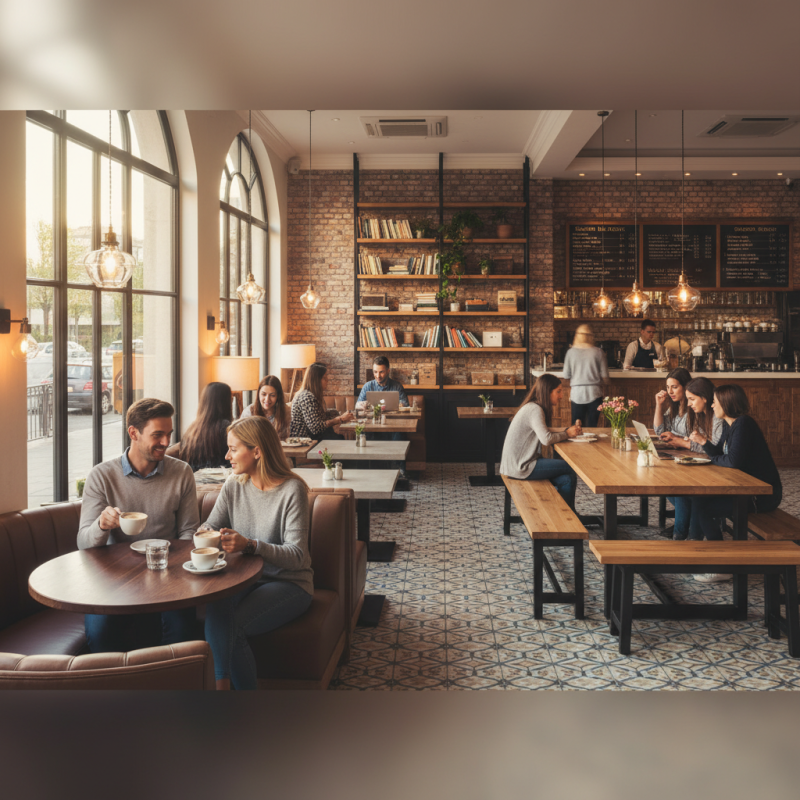
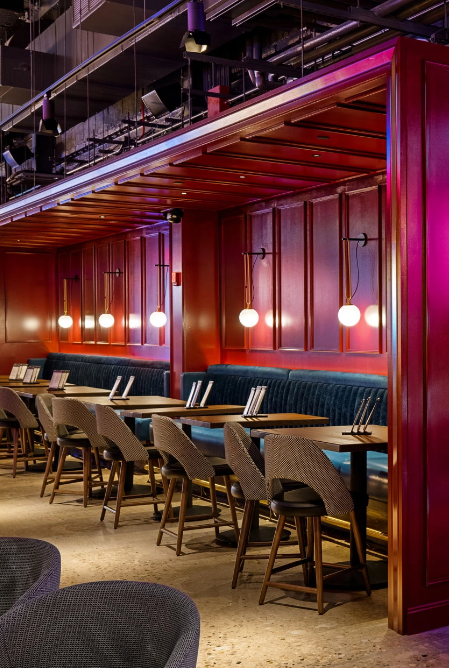
Imagine a bustling cafe with cozy corners, inviting guests to linger. The right Food Restaurant Table helps create that atmosphere. Consider the space available. A large table in a small area can feel cramped. Conversely, a tiny table in a spacious venue may seem lost.
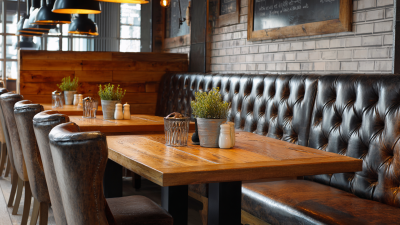
Reflect on the restaurant’s style. A modern eatery may benefit from sleek, metal tables. A rustic venue might prefer wooden options. Each choice shapes the dining experience. Choosing a Food Restaurant Table isn't just about aesthetics. It requires thoughtful consideration of customer comfort and overall vibe.
Understanding Your Dining Space Requirements
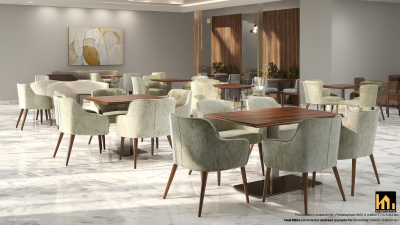
Choosing the right restaurant table requires a deep understanding of your dining space. Consider the layout and size of your area. A small cafe may benefit from round tables, which facilitate conversation. Large, rectangular tables work better in spacious venues.
Lighting also plays a critical role. Bright light may suit daytime dining, while dim lighting is ideal for evenings. Test how tables feel in different lighting. Some spaces might seem crowded with too much furniture, while others look bare. Adjustments should always be made.
Tips: Measure your space accurately before purchasing. This prevents regret later on. Think about accessibility. Ensure that tables are easy to navigate. Scanning your dining area regularly can reveal if adjustments are necessary. Reflect on how your current setup impacts customer experience. Small changes can lead to a more welcoming atmosphere.
Restaurant Table Types and Their Popularity
Identifying the Type of Food Service Style
Choosing the right food service style for your restaurant can make or break the dining experience. Different styles cater to various customer needs and preferences.
Buffet service may work well for busy weekends, allowing guests to serve themselves and enjoy a variety of dishes. Alternatively, plated service offers a more formal atmosphere, perfect for upscale dining.
Tips: Consider your target audience. If you aim for families or large groups, buffet might be ideal. For fine dining, opt for waiter service to create an intimate setting. Don't forget about the atmosphere.
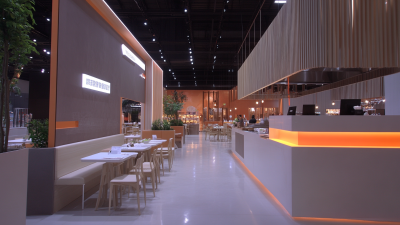
Open kitchens can enhance the dining experience, allowing guests to see their food being prepared.
Another key point is staff training. Make sure your team is well-versed in the service style you choose. They should be able to adapt depending on customer preferences and situations.
Also, think about the layout of your space. The design should facilitate smooth service flow, regardless of the style. Regularly review your service methods. Are they meeting your customers' expectations?
Adjust based on feedback to improve continuously.
Evaluating Table Designs and Materials
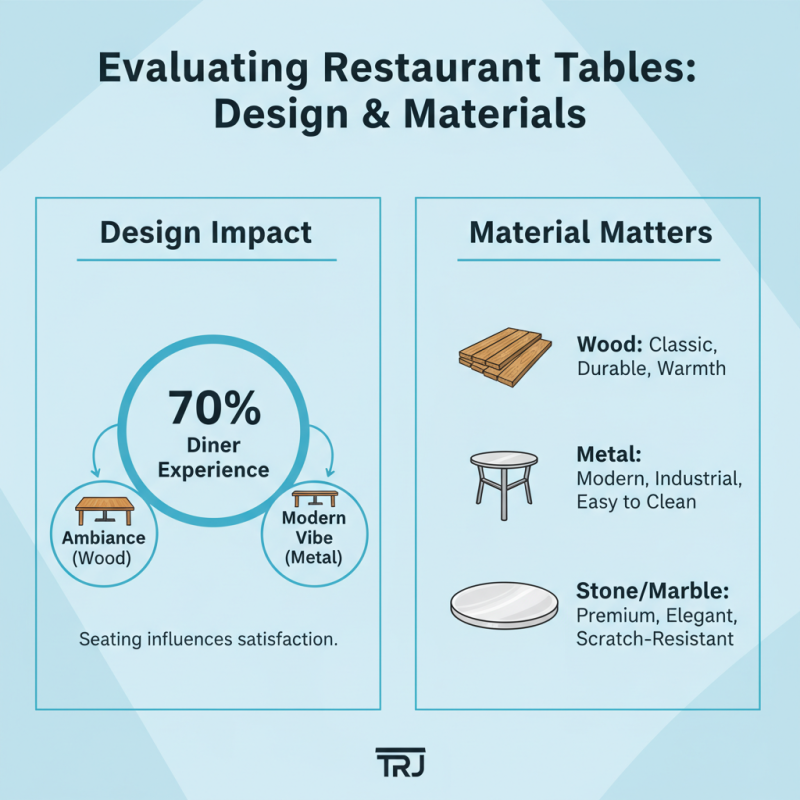
When selecting the perfect restaurant table, design and materials play a key role. Industry reports indicate that 70% of diners assess their overall experience based on their seating. A well-chosen table can significantly influence customer satisfaction. For example, a stylish wood table can create a warm ambiance, while a metal one might evoke a modern vibe.
Materials such as wood, metal, and laminate each have distinct characteristics. Solid wood tables offer durability and can withstand heavy use. However, they often require more maintenance. Metal tables are resilient and easy to clean, making them ideal for high-traffic environments. Reports show that 40% of restaurant owners prefer materials that require less upkeep. Laminate tables, on the other hand, can mimic the appearance of wood at a lower cost, but may not last as long.
Considering design elements is equally important. A round table encourages conversation, while rectangular tables fit more people. It's essential to assess your space constraints and restaurant theme. However, selecting a design that pleases everyone is challenging. Balancing functionality and aesthetics requires careful thought. Research suggests that investing in versatile designs can lead to higher returns.
Considering Table Size and Guest Capacity
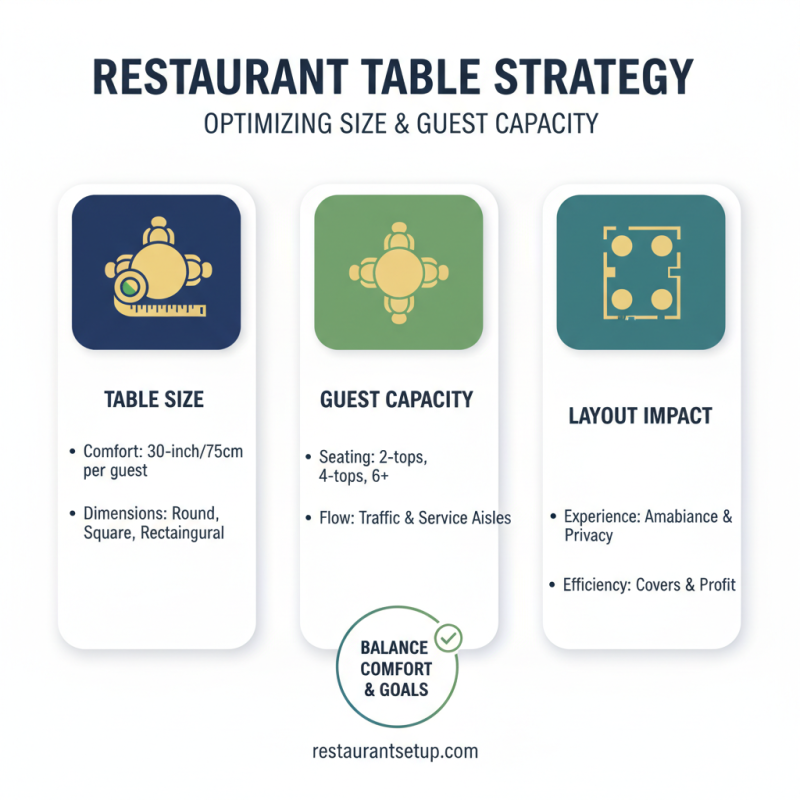
Choosing the right restaurant table involves understanding size and guest capacity. A restaurant's layout directly impacts dining experience and operational efficiency. Tables need to balance guests' comfort with the restaurant's seating goals.
Studies suggest that the ideal table size per guest is around 15-18 square feet for optimal dining. This allows enough space for movement and service. However, many establishments often overlook these numbers. As they cram in more tables, they may serve more guests, but at the cost of comfort. Research indicates that diners may leave sooner if they feel cramped.
Moreover, guest capacity shouldn't only focus on maximizing seats. It's important to consider the dining style. For instance, a fine dining establishment might benefit from fewer, larger tables to enhance a relaxed atmosphere. In contrast, casual settings might prefer more tables for larger groups. Evaluating these aspects can help maintain a balance between maximized space and customer satisfaction, ensuring repeat business and positive reviews.
Assessing Budget and Long-Term Investment Value
When evaluating restaurant tables, it's essential to consider both your budget and the long-term investment value. Quality furniture can be a significant expense, but it's also a reflection of your restaurant's image. Selecting tables that align with your budget while offering durability is critical. Keep in mind that cheaper options may wear out quickly, ultimately costing more in replacements.
Tips: Assess materials used in tables. Solid wood is durable and provides a classic look. Metal and laminate options can be more affordable but may lack character. Consider the maintenance requirements for each type.
Long-term value means thinking beyond initial costs. A well-chosen table not only enhances customer experience but also withstands the test of time. Tables that chip or fade can affect your restaurant's atmosphere. Look for warranty options as assurance of quality and longevity.
Tips: Test the stability of tables before purchasing. Rocking or wobbling can lead to customer dissatisfaction. Also, consider the size and shape of tables to maximize seating efficiency without compromising space.