

How to Spot a Fake Michael Kors Bag in 2026?

A Fake Michael Kors Bag can look convincing in a quick photo. In person, small details tell a fuller story: the weight of the hardware, the spacing of the logo letters, and the feel of the lining. Still, no single clue proves a bag is genuine or fake. Stitching can vary by style and production period, so compare like with like.

“[Insert a verified quotation from a named handbag-authentication expert.]” That quotation should come from a traceable interview or published source, not an invented attribution. In this guide, the expert’s advice can frame a careful inspection: check the overall construction, then compare labels, materials, hardware, and model details with reliable product references. A logo alone is not enough.

Look closely. Examine the zipper pull, edge paint, seams, and interior tag under bright, even light. Note whether the bag’s shape and details match the exact model and season being claimed. Ask for clear photographs and purchase records when available, but treat either as supporting evidence, not a guarantee. Sellers’ descriptions can be incomplete, and authentic bags may show wear or repairs. That part is easy to overlook.

The aim is not to make a rushed verdict from one photograph. It is to gather consistent clues, recognize uncertainty, and seek qualified authentication when the evidence remains unclear. This guide explains what to inspect—and what not to assume.
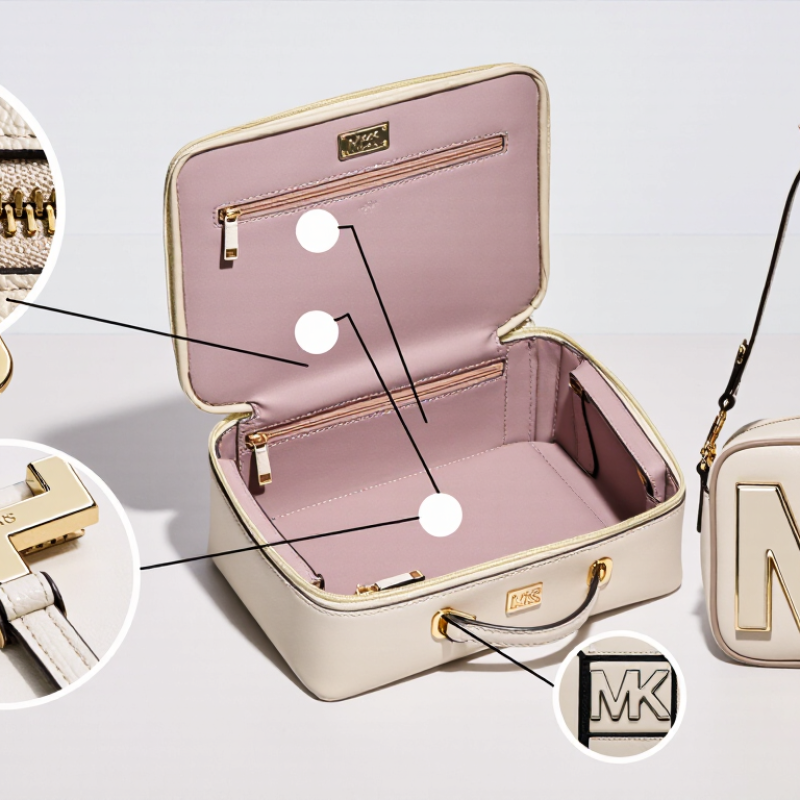
How to Spot a Fake Michael Kors Bag in 2026?

Verify the Seller, Receipt, and Purchase History

Start with the seller’s history, not a polished listing. Look for an established profile, consistent feedback, and clear answers about where and when the bag was purchased. Read reviews for specific details, such as careful packaging or accurate condition descriptions. A sudden cluster of brief, similar reviews deserves a closer look. Small details matter.

Ask for a dated receipt or order record, with private information covered. Compare its item description, purchase date, and store details with the bag and the seller’s account. A receipt can be copied or altered, so it is supporting evidence, not proof by itself. I find this step imperfect: genuine buyers may have lost paperwork, while convincing documents can still leave questions.

Check whether the purchase history makes sense. Does the seller explain how the bag came into their possession? Do dates and details remain consistent across messages, photos, and records? Request a current photo showing the bag beside a handwritten date, rather than relying only on old listing images. Keep questions polite and specific. If the seller avoids basic verification or pressures you to decide quickly, pause. No single check is conclusive; several consistent details provide a more dependable picture.

Examine the Materials, Stitching, and Overall Construction

Begin with the material. Run your fingers lightly over the surface and check whether its texture feels consistent across panels. Coated fabric should not feel unusually brittle, sticky, or paper-thin. Leather can vary naturally, so a small difference in grain is not proof of a problem. Look closely at corners and handles, where wear and weak finishing often show first.

Check the stitching under bright, even light. Lines should generally look steady, with thread ends secured and no repeated skipped stitches. Examine seams near pockets and straps; these areas take regular strain. A few uneven stitches may come from ordinary production variation, not necessarily a fake. Context matters. Compare several details rather than relying on one flaw.

Then assess the bag as a whole. Set it on a flat surface and notice whether it holds its shape without sagging unexpectedly. Inspect the lining, edge paint, zippers, and hardware for clean joins and smooth movement. Gently open and close compartments; rough edges or loose panels can suggest poor construction. Still, lighting, age, and storage can change how materials look. Take clear photos and compare the same areas with reliable product references before drawing a conclusion.

Inspect the Logo, Hardware, and Interior Labels

Start with the logo, but do not judge it alone. Letters should sit evenly, with consistent spacing and clean edges. Check alignment against seams and pockets; a tilted stamp may be suspicious, but wear can distort it. Look closely. A phone photo can exaggerate flaws, so inspect the bag in natural light.

Next, test the hardware gently. Zippers, rings, and clasps should feel solid, move smoothly, and show consistent color across matching parts. Compare engraving depth and lettering across several pieces, not just one shiny zipper pull. Loose plating, rough edges, or mismatched screws deserve attention, though age and repairs can explain some differences. No single detail proves anything.

Read interior labels for clear printing, even stitching, and details that fit the bag’s style and construction. Check whether the label sits straight and its thread matches nearby seams; rushed stitching can be a clue, not a verdict. An OECD and EUIPO 2021 report estimated counterfeit and pirated goods at up to 2.5% of world trade in 2019, or about US$464 billion. This is a historical trade estimate, not a 2026 bag-specific rate. Treat it as context. For a costly purchase, compare several details with reliable product images or seek an independent authentication review; careful checks can still miss subtle variations.

Compare the Style and Details with Official Product Information

A reliable check starts with the exact model, not a general impression of quality. Find the matching official product page or archived listing, then compare the bag’s shape, dimensions, material, color, pocket placement, strap drop, and hardware finish. Details should match the same style and colorway; similar-looking versions may differ. Bain–Altagamma’s 2024 luxury-goods study estimated the personal luxury-goods market at €364 billion. That figure is market context, not proof of authenticity, but it underscores why precise product information matters.

Compare clear photos in even light. Check whether the handle attachments, zipper pull, lining, and edge paint match official images. Measure the bag across its base and from the strap’s highest point; small discrepancies can be easy to overlook. I still find color comparisons tricky, since lighting and screen settings can shift a shade. No single stitch, label, or detail settles the question. Look for several consistent matches, and treat unexplained differences as a reason to pause.

Tips: Save the official listing and compare one feature at a time. Ask for close-ups of the interior, hardware, and base. If the model or color cannot be matched to reliable product information, don’t rely on appearance alone.

How to Spot a Fake Michael Kors Bag in 2026? - Compare the Style and Details with Official Product Information

Check What to Compare with the Official Product Listing Potential Warning Signs Practical Verification Step
Style and model details Match the bag’s shape, pocket layout, closure, handle design, and included accessories to the exact style and product version. The seller’s photos show a combination of features that does not appear in the corresponding official product information. Compare the same model and color, since details can differ between styles, seasons, and product versions.
Materials and color Check the listed material, surface finish, lining, and color against the official description and images. The description conflicts with the product listing, or the material and color look notably different in clear, well-lit photos. Ask for current close-up photos in neutral lighting. Screen settings and lighting can affect how colors appear.
Measurements and proportions Compare listed height, width, depth, strap drop, and overall proportions where measurements are provided. Measurements are missing, inconsistent across the listing, or visibly incompatible with the stated style. Request measurements taken with a ruler. Small measurement differences may result from how a soft bag is measured.
Hardware and closures Compare the type, placement, finish, and design of zippers, clasps, feet, and other hardware. Hardware placement or design differs from clear official product images, or parts appear poorly fitted. Inspect several details together; hardware color can vary slightly with lighting and product photography.
Stitching and construction Look for neat, secure seams and construction consistent with the bag’s design and materials. Loose threads, uneven seams, unsecured edges, or visibly mismatched panels may warrant further checks. Treat construction issues as clues, not proof: handmade and soft-material items can show minor variation.
Interior and labels Compare the lining, interior pockets, labels, and their placement with product images or other reliable official information for that exact style. Interior features contradict the listed design, or labels appear poorly attached or inconsistent with clear reference images. Request sharp photos of the full interior and label. Label details alone cannot establish authenticity.
Packaging and included items Check whether the listing’s stated accessories or packaging match what is documented for the specific product. The seller presents packaging or accessories as conclusive proof, but cannot provide clear product details or purchase context. Packaging and paperwork can be replaced or copied; use them only as supporting evidence.
Seller and purchase record Review the seller’s history, return terms, item description, and any verifiable purchase documentation. Pressure to pay quickly, an unusually low price without a credible explanation, or refusal to provide additional photos. Use a payment method with buyer protection and keep the listing, messages, and transaction records.

Important: No single detail, code, label, receipt, or photograph can confirm authenticity on its own. Compare the exact product version with reliable official information and consider an independent professional assessment if uncertainty remains.

Seek Expert Authentication When Key Details Remain Unclear

When a bag’s details do not line up, pause before deciding. A polished logo or even stitching is not proof of authenticity. Consider the materials, hardware, lining, labels, and construction together. Small variations may reflect age or production changes, while imitation items can reproduce one visible detail convincingly. It is easy to put too much weight on a single clue. That matters.

Seek an independent authenticator with relevant handbag experience and a clear review process. Check whether they explain their methods, fees, and the limits of their assessment. Ask what evidence they need; sharp photos of seams, hardware, interior labels, and the base can help. Keep purchase records and seller communications available, but do not assume paperwork alone settles the question. A careful reviewer may need to inspect the item in person.

A written assessment should identify the features examined and explain any uncertainty. No reviewer can always reach a firm conclusion from incomplete photographs or heavily worn details. If the findings remain unclear, ask what additional evidence could help, or seek another qualified opinion. I would resist treating confidence as certainty; that distinction is easy to miss when a purchase feels important.

137 Seacoast Ave, New York, NY 10094
+1 (234) 466-9764
Excuisite food, unforgettable atmosphere...