How to Start a Konjac Keto Diet?
A Konjac Keto Diet combines low-carbohydrate meals with konjac foods, such as shirataki noodles. These noodles are made from konjac glucomannan, a soluble fiber, and usually contain few digestible carbohydrates. That can make them a useful swap for wheat noodles. They are not a complete diet, though. Small changes matter.
Starting well means looking beyond one ingredient. Keto plans vary, and a very low carbohydrate intake may not suit everyone. Build meals around nutritious foods you tolerate, and check product labels for sauces, added starches, and serving sizes. Rinse and prepare konjac noodles according to the package directions; their texture can be pleasantly springy, though some people need time to enjoy it. Drink enough fluids, since fiber intake and digestion are connected. Not magic.
A careful start also means noticing how your body responds. Konjac fiber may cause bloating, gas, or changes in bowel habits, especially when intake rises quickly. Increase it gradually, and seek advice from a qualified health professional if you have a digestive condition, take medication, or are considering major dietary changes. People with diabetes, kidney concerns, or a history of disordered eating may need individualized guidance. Keep expectations realistic: konjac can replace some higher-carb foods, but it does not guarantee ketosis, weight loss, or better health on its own. A practical plan should be filling, varied, and sustainable. And if the meals feel restrictive, that is worth reconsidering.
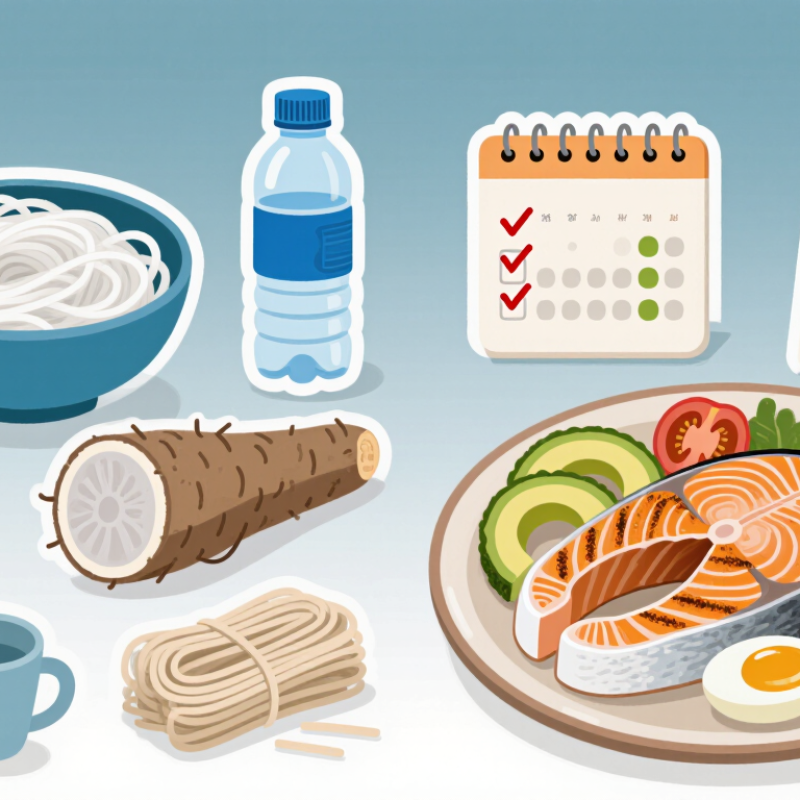
Understanding the Konjac Keto Diet and Its Core Principles
The konjac keto diet combines a very-low-carbohydrate eating pattern with konjac, a root rich in glucomannan, a soluble fiber. Many konjac noodles contain very few digestible carbohydrates, but check the nutrition label because products and serving sizes vary. That matters. Keto still depends on keeping total carbohydrate intake low while eating adequate protein and choosing satisfying sources of fat. Konjac alone does not create ketosis or replace a balanced diet.
In practice, rinse konjac noodles well, then heat them in a pan until their excess moisture evaporates. Add them to a meal with eggs, tofu, fish, or vegetables, plus a suitable source of fat. The texture can feel springy rather than pasta-like. I would not pretend it suits everyone; some people need time to adjust, and others simply dislike it. Start with a modest serving and notice how your digestion responds.
Glucomannan absorbs water, so drink enough fluids and follow preparation instructions. Too much fiber too quickly may cause bloating or discomfort. People taking regular medication should ask a health professional about timing, since fiber can affect how some medicines are absorbed. Anyone managing a medical condition, or considering a restrictive diet, should seek individualized advice before making major changes.
Checking Whether a Konjac-Based Keto Plan Suits Your Needs
A konjac-based keto plan replaces higher-carbohydrate foods, such as rice or noodles, with konjac-based alternatives. But low in carbohydrates does not automatically mean nutritionally complete. Check whether the plan also provides enough protein, vegetables, fluids, and overall energy. It may suit someone seeking lower-carb meals, but not everyone. If you have a medical condition, take medication affecting blood sugar, or have a history of disordered eating, ask a qualified health professional before making a major change. That matters.
Tips: Try a small serving first. Drink enough water, and check how your digestion responds. Konjac’s glucomannan fiber can cause bloating or discomfort, especially when introduced quickly. Follow package directions, and never swallow dry konjac fiber.
Read ingredient and nutrition labels rather than relying on “keto” wording. Some prepared products contain sauces or starches that add carbohydrates; serving sizes can also be easy to underestimate. Pair konjac noodles with a source of protein, such as eggs or tofu, and colorful vegetables. Keep a simple food log for a few days. It may reveal whether the meals feel satisfying or leave you hungry. I would not assume that replacing every grain-based food is necessary. A sustainable plan should fit your preferences, budget, and health needs—not just a carbohydrate target.
How to Start a Konjac Keto Diet? — Checking Whether a Konjac-Based Keto Plan Suits Your Needs | What to Check | Useful Fact | How to Apply It | Suitability Indicator |
| Daily carbohydrate target | Many ketogenic eating plans use a daily limit of about 20–50 g of net carbohydrates, though there is no single target that suits everyone. | Count total carbohydrates and fiber using the nutrition label and serving size. Product formulations differ, so check each package. | A potential fit if your planned meals stay within a target that is appropriate for you. |
| Konjac food and fiber | Konjac contains glucomannan, a water-absorbing soluble fiber. Konjac noodles and rice-style products are often low in digestible carbohydrates, but nutrition values vary by product. | Use the product’s nutrition facts rather than assuming all konjac foods have the same calories, carbohydrates, or fiber. | May suit someone looking for a low-carbohydrate substitute, provided the product label fits their plan. |
| Meal balance | Konjac products are not, by themselves, a complete source of protein or a balanced meal. | Pair them with a suitable protein source, non-starchy vegetables, and fats that fit your dietary needs. | More practical when used as one part of varied meals rather than as the main source of nutrition. |
| Starting portion | A sudden increase in fiber can cause digestive discomfort for some people. | Begin with a modest portion, follow the package preparation instructions, and increase gradually if tolerated. | Use caution if you are not accustomed to high-fiber foods or have a sensitive digestive system. |
| Fluid and safe eating | Glucomannan absorbs water. Dry glucomannan supplements can pose a choking or blockage risk if they are not taken as directed. | Prepare konjac foods as instructed, eat them with adequate fluid, and do not swallow dry konjac supplements. | Not suitable for anyone who cannot safely swallow these foods or follow product directions. |
| Medical conditions and medicines | Major dietary changes and fiber supplements may affect people differently, including those with digestive conditions or those taking medicines. | Ask a qualified healthcare professional before starting if you have a medical condition, take medication, are pregnant, or have a history of swallowing or intestinal problems. | Professional guidance is especially important when a diet change could affect treatment or medication routines. |
| Overall decision | A konjac-based keto plan still needs to provide enough energy and a range of nutrients; a low-carbohydrate label alone does not establish that a diet is appropriate. | Review your food choices, portion sizes, nutrient needs, and ability to maintain the plan over time. | Consider it only if it is safe, nutritionally adequate, and compatible with your personal health needs. |
| Note: This table provides general information, not individualized medical advice. Nutrition values vary by product; use the current package label and consult a healthcare professional for personal guidance. |
Choosing Konjac Foods and Keto-Compatible Ingredients
Choosing Konjac Foods and Keto-Compatible Ingredients
When choosing konjac foods, read the nutrition label rather than relying on words like “low carb.” Compare total carbohydrates, fiber, and serving size; sauces or seasonings can add sugar and starch. Plain konjac noodles, rice, or blocks are often easier to fit into a keto meal. Rinse and drain them well, then dry-fry briefly to reduce excess moisture. The texture can feel springy, even rubbery. That takes getting used to.
Build flavor and staying power with keto-compatible ingredients such as eggs, tofu, chicken, leafy greens, mushrooms, or unsweetened coconut milk. Add oil, herbs, garlic, and a measured portion of a low-sugar sauce. For example, toss konjac noodles with sautéed mushrooms, spinach, and egg. Check labels on packaged foods, and count the carbohydrates in every ingredient. Konjac is high in glucomannan fiber, but it does not make a meal automatically keto-friendly. People sensitive to fiber may experience bloating or discomfort, so start with a modest portion and drink fluids.
Tips: Rinse thoroughly. Season boldly. Follow package directions, and don’t eat konjac products dry. If the first bowl feels bland, adjust the seasoning—not the serving size alone.
How to Start a Konjac Keto Diet?
Choose konjac foods and pair them with low-carbohydrate ingredients. This chart compares representative net carbohydrates and dietary fiber per 100 g.
Values are approximate; nutrition varies by product and preparation. Net carbohydrates are calculated as total carbohydrates minus fiber. Check package labels, and choose unsweetened sauces and seasonings.
Tracking Your Response and Adjusting the Diet Safely
On a konjac keto diet, track more than the scale. Weigh yourself under similar conditions, such as before breakfast, and note waist measurements, energy, bowel habits, and daily fluid intake. A simple paper log works. Glucomannan, konjac’s soluble fiber, can cause digestive discomfort, and swallowing it without enough liquid may be dangerous.
The European Food Safety Authority’s 2010 opinion linked a 3-gram daily intake, split into three doses with water before meals, to a weight-loss claim only alongside an energy-restricted diet. That is not an individual prescription; ask a clinician whether it suits you.
Record what you eat and any symptoms, but avoid changing several things at once. One unusual weigh-in proves little. The National Lipid Association’s 2019 scientific statement found that ketogenic diets can raise LDL cholesterol in some people, even as triglycerides may fall. Discuss a lipid panel with your healthcare professional before starting and again after several weeks, especially if you have cardiovascular risk factors.
If you use glucose- or blood-pressure-lowering medication, seek medical guidance before reducing carbohydrates. A log can miss things. Mine might, too: stress, sleep, and salty meals can muddy the picture, so use trends rather than one day’s numbers.