Top 5 Tips for Building Awnings to Enhance Your Space?
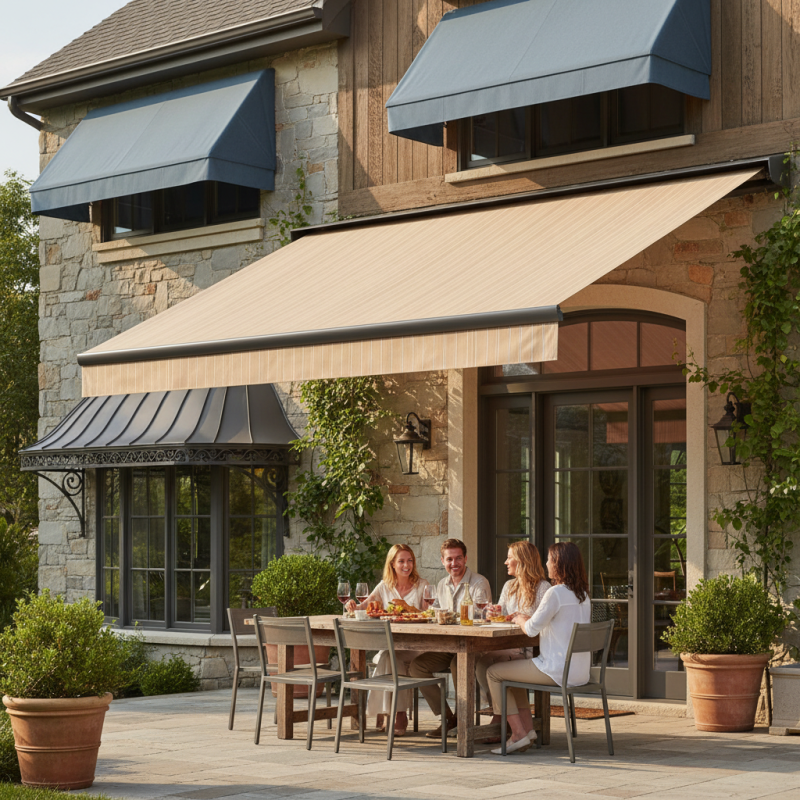
Building Awnings can significantly enhance your outdoor space. They create shade, add style, and improve your home’s energy efficiency. With thoughtful design and construction, a well-built awning can transform any patio, deck, or entrance.
However, building an awning requires careful planning. Many overlook essential factors such as materials, placement, and local regulations. It’s crucial to choose durable materials that withstand weather conditions. Aesthetic considerations are equally important; the awning should complement your home’s architecture.
Reflecting on past projects, mistakes often arise from inadequate research. Measuring correctly and understanding the installation process can be challenging. Embrace this journey of building awnings with confidence and attention to detail. A successful project is not just about looks; it’s about creating functional outdoor spaces that you will enjoy for years.
Choosing the Right Location for Your Awning Installation
Choosing the right location for your awning installation is crucial for maximizing its benefits. According to the American Institute of Architects, well-placed awnings can reduce indoor temperatures by up to 15 degrees Fahrenheit. A shaded area not only enhances comfort but also lowers energy bills. It's essential to analyze your space's sun exposure throughout the day. Consider the angle of sunlight and your outdoor activities.
Installing an awning over a patio or deck can create a cozy retreat. Look for areas that get direct sunlight during peak hours. Utilizing retractable awnings can provide flexibility, allowing you to adjust the coverage as needed. However, some homeowners overlook the importance of wind direction. Strong winds can damage awnings. Ensure the location allows for proper anchoring and protection from harsh weather.
Awning installation should also consider local building codes and zoning regulations. Some areas may have restrictions on the size or type of awning. Research local guidelines to avoid potential issues. A poorly placed awning can lead to increased maintenance or even structural problems. Thoughtful planning and attention to detail ensure that your awning enhances your space effectively.
Selecting the Best Material for Durability and Aesthetic Appeal
When selecting materials for awnings, durability and aesthetic appeal are crucial. According to industry reports, awnings made from high-quality fabrics can last up to 15 years with proper maintenance. Options like solution-dyed acrylic resist fading better than cheaper counterparts. The color choices can enhance your building's style significantly, providing both function and flair.
Here are a few tips for choosing the right material. Consider weather conditions in your area. For sunny climates, UV-resistant materials like polyester are wise. In regions with heavy rain, opt for waterproof fabrics. Always review installation guidelines; improperly installed awnings can lead to premature wear.
It’s also important to address maintenance needs. Some materials require frequent cleaning to maintain their appearance. Failure to do so can lead to mildew or color fading. Ultimately, investing time in material selection ensures your awning remains a valuable addition to your space.
Design Considerations: Style, Color, and Size of Your Awning
Choosing the right awning can significantly impact your outdoor space. Focusing on design aspects like style, color, and size is essential. You want your awning to complement your home rather than clash with it. Consider the architectural style of your house. A modern, sleek awning may not fit well with a rustic cottage look.
When it comes to color, think about the overall palette of your home. Neutral tones can provide a classy touch. Bright colors add vibrancy and excitement. However, be cautious with bold choices. They can overwhelm your space if not carefully considered. Choosing patterns can be tricky, too. Sometimes, the wrong pattern can make your area feel cluttered.
Size plays a crucial role as well. An oversized awning can dominate your patio, while a too-small one may seem insignificant. Measure your space before making a decision. Also, think about weather conditions. Larger awnings might provide more shade but can also catch the wind. This could lead to potential damage over time. Proper installation is vital, too. It can save you from costly repairs later.
Understanding Local Regulations and Permits for Awning Construction
When planning to build an awning, understanding local regulations is crucial. Most municipalities require permits for awning construction. A recent survey from the American Planning Association (APA) indicated that nearly 70% of homeowners faced challenges related to permits and codes. Ignoring these guidelines can lead to fines and even removal of structures.
Before starting your project, research zoning laws in your area. Local codes may dictate size, materials, and even placement of your awning. For instance, some areas enforce height restrictions or specific design standards to maintain neighborhood aesthetics. This can be frustrating, yet it’s essential for compliance.
Tip: Consult with local authorities before designing your awning. Clarifying these details upfront can save you time and money. Engaging with a licensed contractor who understands local regulations can further ease your process. They can help ensure your awning meets all requirements, avoiding future headaches.
Additionally, remember that not every awning style fits all environments. The National Association of Home Builders (NAHB) suggests considering the climate and overall architecture of your home. Your choice should balance beauty and functionality while conforming to rules. A well-planned awning can enhance your space significantly, but neglecting regulations can negate that benefit.
Maintenance Tips for Longevity and Functionality of Awnings
When it comes to maintaining awnings, attention to detail is essential. Regular cleaning is a must. Dust, dirt, and grime can accumulate quickly. Use a soft brush or a mild soap solution to gently scrub the surface. Ensure you rinse thoroughly to prevent residue buildup. This simple step can significantly enhance the lifespan of your awning.
Check for signs of wear and tear at least twice a year. Look for frayed edges, rusted hardware, or fading fabric. Addressing issues early can save you from costly repairs. If you notice any problems, consider consulting a professional for repairs. Regular inspections may be tedious, but they are vital for longevity.
Protect your awnings from harsh weather conditions. Heavy rain, strong winds, and snow can cause damage. When severe weather is forecasted, retract your awnings if possible. If that’s not feasible, ensure that they are properly secured. While adding awnings can enhance the aesthetic of your space, maintaining them contributes more to their functionality.
Top 5 Tips for Building Awnings to Enhance Your Space
| Tip | Description | Maintenance Frequency | Functionality Enhancement |
| Choose the Right Material | Select durable fabrics that withstand weather elements. | Annually | Improved resistance to UV rays and moisture. |
| Proper Installation Angle | Install at a pitch to allow rain runoff and sun coverage. | Check every season | Enhanced drainage and shade effectiveness. |
| Regular Cleaning | Clean awnings to prevent mold and stains. | Every 6 months | Maintains aesthetic appeal and functionality. |
| Inspect for Damage | Regularly check for tears or wear and address promptly. | Quarterly | Prevents further damage and improves lifespan. |
| Seasonal Storage | Take down awnings during severe weather or off-season. | End of season | Reduces wear and preserves material integrity. |