
Where to Find Top BM Bags Suppliers in China?

Finding dependable bm bags suppliers in China takes more than comparing prices on a marketplace. Buyers need to assess product quality, production capacity, communication, and sample consistency. China’s manufacturing network is broad, but supplier capabilities vary by region and product type. A polished listing is not proof of a reliable factory. Details matter.

Market data helps explain why careful sourcing is valuable. Grand View Research estimated the global handbag market at USD 51.81 billion in 2023 and forecast continued growth through 2030. Its report offers useful context, though market estimates can differ by product definitions and research methods. Demand alone does not identify a suitable supplier. Buyers can investigate sourcing platforms, trade fairs, regional manufacturing clusters, and referrals, then verify business credentials and production claims directly. Requesting samples can reveal practical differences in stitching, hardware, lining, and packaging. Ask how defects are handled, too. A written specification can prevent avoidable misunderstandings about dimensions, materials, and finishing. No directory can guarantee a good fit. I would treat supplier selection as a process of checking evidence, not trusting a single ranking. The sections ahead explain where to search, what to verify, and how to compare candidates before placing an order. Some checks take time, but rushing them may cost more.
Where to Find Top BM Bags Suppliers in China?

What Are BM Bags and What Should Buyers Know Before Sourcing?

“BM bags” is not a universal product specification. In supplier listings, the term may describe different shapes, materials, or intended uses, so buyers should ask what it means in each quotation. Request clear photos and a written specification. Check the bag’s finished dimensions, fabric composition, lining, closures, pockets, and handle construction. Small details matter. A zipper that catches on a sample may become a bigger issue across a full order.

Before placing an order, compare samples from several suppliers under the same requirements. Measure them, inspect the seams, and test the closures and handles with a realistic load. Ask whether the sample material and workmanship will match bulk production. Confirm minimum quantities, sample fees, production lead times, packaging, and inspection arrangements in writing. A low unit price can hide thinner fabric or fewer quality checks. It happens. Keep approved samples and signed specifications as reference points, and clarify how defects will be recorded and handled. Specifications can still miss things; review the first production pieces before approving the full shipment.

Which Regions in China Are Known for Bag Manufacturing?

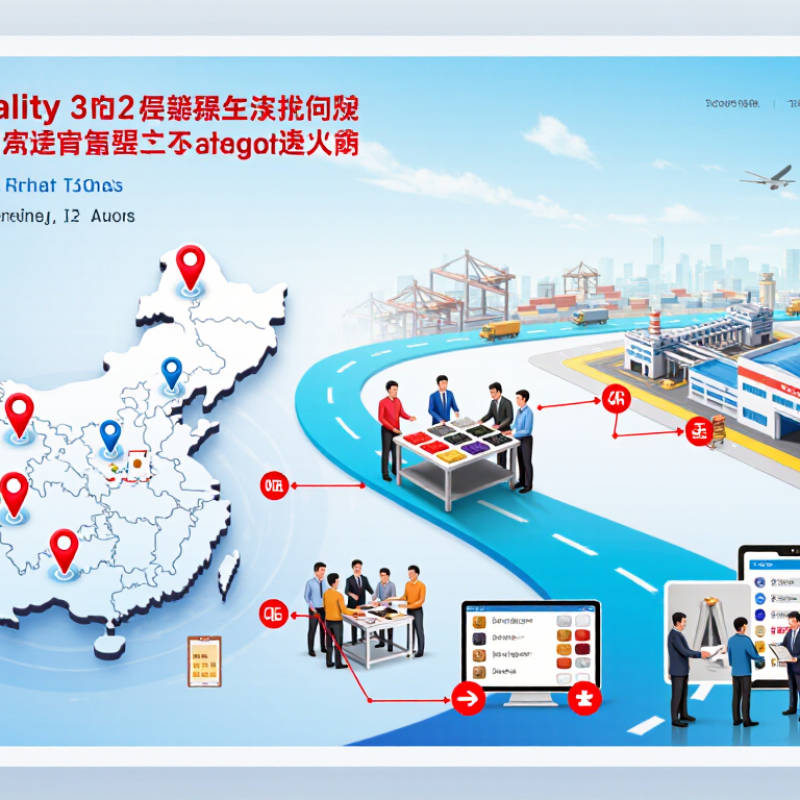
China’s bag manufacturing is spread across several regional clusters, each with different strengths. Guangdong, especially Guangzhou, Shenzhen, and Dongguan, is known for fashion bags, leather goods, and export-oriented production. Workshops there may offer varied materials and finishing options, but prices and minimum order quantities can differ widely.

Zhejiang has active bag-making and trading hubs, including Yiwu and Wenzhou. Yiwu is useful for comparing ready-made styles and accessories; Wenzhou has broader luggage and bag production. Baigou in Hebei is another established center, particularly for luggage and everyday bags. A famous cluster is not a quality guarantee. Details matter.

Tips: Ask suppliers where each production step takes place, then request a current sample. Check stitching, zippers, lining, and edge finishing in person or through clear close-up photos. Confirm monthly capacity and sample lead time in writing. Small inconsistencies can appear between samples and bulk orders, so it is worth asking how inspections are handled. Regional reputation helps narrow a search, but the individual factory still needs careful checking.

What Types of BM Bag Suppliers Can Buyers Find in China?

Buyers looking for BM bags in China can encounter several supplier types, each serving a different purchasing need. Direct manufacturers operate cutting, stitching, and packing lines, often in industrial areas such as Guangzhou or Dongguan. They may offer closer control over materials, colors, and repeat orders. Ask whether the quoted price includes lining, metal fittings, labels, and export cartons. Small details change cost. A factory may require higher minimum quantities, and its sample room may look better than routine production. Request recent production photos or a live video, not just polished catalog images.

Trading companies and sourcing agents can help buyers compare workshops, consolidate orders, or communicate across language differences. They may suit a first order or a mixed product range, though buyers should confirm who inspects goods and handles defects. Some suppliers specialize in custom production, while others sell ready-made stock that can ship sooner. Clarify whether customization covers dimensions, fabric weight, zipper quality, and packaging. Ask for a pre-production sample and an agreed inspection checklist. Useful evidence includes dated sample photos, written specifications, and a clear payment schedule. A low quote alone tells little; supplier type matters, but follow-through can still vary.

Where to Find Top BM Bag Suppliers in China?

Compare the typical core services offered by common supplier types.

This qualitative guide is a supplier-category overview, not a market-share ranking. A value of 1 indicates a typical core service; 0 means it is not usually the supplier type’s primary role. Individual suppliers may offer additional services, so confirm capabilities directly.

How Can Buyers Evaluate and Verify a Potential Supplier?

A polished catalog is only a starting point when assessing a BM bags supplier. Ask for the factory’s registered company details, production address, and a live video walkthrough. Compare the information across documents and the supplier’s website. Small mismatches deserve a clear explanation. Details matter.

Request a sample made to your specifications, then check stitching, lining, hardware, edge finishing, and dimensions in person. Keep a written checklist and photos, since memory is not a reliable inspection tool. Ask how materials are sourced, how defects are recorded, and who checks goods before packing. Request recent inspection records or references from comparable buyers, with permission to contact them. A third-party factory audit can add useful evidence, but it cannot guarantee every future order. Discuss order capacity, lead times, sample fees, and payment milestones in writing. Vague answers may not prove poor performance, yet they make planning harder. I would also ask the supplier to explain what happens when a batch falls short of the approved sample. Their response can reveal more than a sales presentation.

What Steps Should Buyers Follow to Place and Manage an Order?

Start with a written product brief: include bag dimensions, fabric type, lining, handle length, color, stitching, and packaging. Send the same brief to each supplier so quotations are easier to compare. Ask for the minimum order quantity, sample cost, production lead time, and payment schedule in writing. Request recent factory photos or a live video call, and check that the workshop can handle your order size. A polished quotation is not proof of consistent production.

Approve a physical sample before placing the bulk order. Check the zipper, seams, strap strength, and measurements with a ruler; photograph any changes you request. Small details matter. Confirm the final specifications, delivery address, inspection standard, and what happens if goods do not match the approved sample. Use staged payments tied to clear milestones, rather than relying on verbal promises.

During production, request dated progress photos and arrange an independent inspection before the balance is paid. Plans still slip. Build extra time into your schedule, and keep messages, invoices, and sample approvals together.

After dispatch, confirm carton counts and tracking details, then inspect several bags on arrival and record defects promptly. A small order can still reveal problems that a sample cannot.

Article Source:

137 Seacoast Ave, New York, NY 10094
+1 (234) 466-9764
Excuisite food, unforgettable atmosphere...