What Are the Top Car Perfume Diffuser Types in 2026?
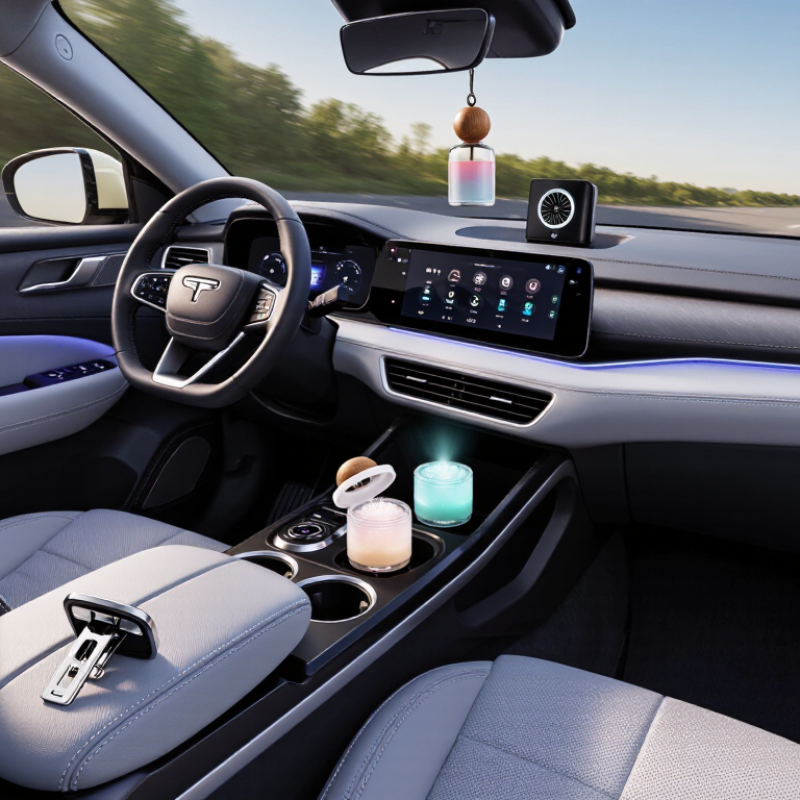
Choosing a Car Perfume Diffuser in 2026 is less about finding the strongest fragrance and more about matching the device to your car and routine. Common options include vent clips, hanging bottles, gel or solid containers, and powered diffusers that use a fan or gentle heat. Each releases scent differently. A vent clip may spread fragrance when the air is running, while a hanging bottle can be simpler but may produce less consistent intensity.
Small details matter. This guide compares these types by scent control, upkeep, placement, and everyday convenience. It also considers refill availability and how easily a diffuser fits around cup holders, vents, and other controls. No single style suits every driver. A strong scent can become tiring on a long trip, and a poorly secured container may spill. Heat and direct sunlight can also affect some fragrance products, so check the manufacturer’s instructions before use.
The goal is a practical overview, not a promise that one device will work perfectly in every vehicle. Fragrance preference is personal, and cabin size, ventilation, and temperature can change how a scent feels. A little caution helps. The sections ahead explain what to expect from each diffuser type and which details deserve a closer look before choosing one.
How Car Perfume Diffusers Disperse Fragrance
What Are the Top Car Perfume Diffuser Types in 2026?
How Car Perfume Diffusers Disperse Fragrance
Car fragrance enters the cabin through evaporation, moving air, or a small powered mechanism. The diffuser’s design affects how quickly the scent develops and how widely it spreads. Vent airflow, cabin temperature, and placement all make a difference.
Passive vent diffusers use air from the car’s ventilation system to carry fragrance from a scented insert or liquid-soaked material. Wicking designs draw liquid along a porous strip, where it evaporates into the passing air. Ceramic and other porous materials release scent more gradually from their surfaces. Simple, but airflow matters.
Powered diffusers use a fan or another dispersal mechanism to move fragrance into the cabin. They may spread scent more consistently, though performance varies with the device and settings. A stronger blast isn’t always better. Too much fragrance can feel overwhelming in a small space, and heat may affect how quickly some liquids evaporate. Keep the diffuser clear of controls and follow its care instructions; spills can damage interior surfaces. There is no perfect setting for every car.
Which Types of Car Perfume Diffusers Are Popular in 2026?
In 2026, vent-clip car perfume diffusers remain a popular everyday option. They attach near an air vent, letting airflow carry fragrance through the cabin. Compact and easy to replace, they suit drivers who prefer a simple setup. However, scent can feel overpowering in a small car, especially with the fan running high. Check that the clip is secure and does not block a control. Small, but practical.
Hanging diffusers and gel or canister types appeal to drivers who want fragrance without wiring. Hanging designs are easy to install, though heat and sunlight may affect how quickly their scent fades. Gel and canister models usually sit in a cup holder or storage area; keep them stable during turns. USB-powered electric diffusers offer adjustable output, but need a cable or charging and occasional cleaning. Scent strength varies. A mild fragrance may be more comfortable on a long drive, while personal sensitivity differs. The most convenient type is not always the best fit; cabin size, airflow, and upkeep matter too.
What Are the Top Car Perfume Diffuser Types in 2026?
A comparative view of popular car fragrance diffuser formats.
Vent clips and hanging diffusers are familiar, easy-to-use options, while liquid, gel, and electric diffusers offer alternative ways to release fragrance. Scores are an indicative editorial popularity index, not audited sales figures or market-share data.
How Vent-Clip, Hanging, and Plug-In Diffusers Work
Vent-clip diffusers attach to an air-conditioning vent, where moving air carries fragrance through the cabin. Many use replaceable pads, porous wood, or small scent cartridges. The airflow can make the scent stronger when the fan is high, then faint when it is off. Simple, but uneven. Keep the clip clear of controls and avoid placing it where a hot vent blows directly onto delicate trim.
Hanging diffusers usually suspend from a mirror and release fragrance as it evaporates from a bottle, absorbent core, or treated material. They need no power and are easy to move, but warmth and sunlight can speed up evaporation. A bottle that swings on sharp turns may also distract the driver, so a stable position matters. Check for leaks, especially after a hot day. I have found that “subtle” can become overpowering in a small cabin.
Plug-in models connect to a vehicle power outlet or USB port and may use gentle heat, a fan, or both to disperse scent. Their output is often easier to adjust, though performance varies by design and power source. They can occupy a useful socket, and a heated unit may feel warm after extended use. Read the device instructions, use only its intended refill, and start at the lowest setting. A mild scent is usually easier to live with on a long drive.
How Do Diffuser Types Compare in Scent, Cost, and Upkeep?
Vent clips offer quick, noticeable scent when the fan runs, but their output can fade between drives. Hanging cards and scented wood are inexpensive and simple; heat may make their fragrance stronger, then uneven. Gel containers need little attention, though scent can feel faint in a cool cabin. USB-powered or ultrasonic diffusers allow more control, but require cleaning, refills, and sometimes a charging cable. Small detail. A loose unit can rattle over bumps.
Cost is not just the purchase price. Passive options usually have the lowest entry cost, while powered devices add refill and maintenance expenses. The Grand View Research Air Freshener Market report valued the global market at $12.6 billion in 2022 and projected 3.9% annual growth through 2030. That figure covers air fresheners broadly, not car diffuser performance, so it cannot prove one type lasts longer. Independent, like-for-like lifespan comparisons are limited.
For upkeep, check whether a device can leak, leave residue, or obstruct a vent. Wipe refillable reservoirs as their instructions advise, and avoid overfilling them. Scent strength is personal: a fragrance that seems subtle outdoors may feel intense in a closed car. Not always pleasant. Heat, airflow, and cabin size change the result, so cost-per-week estimates remain rough rather than universal.
How to Choose a Car Perfume Diffuser for Your Needs
Choosing a car perfume diffuser starts with how you use your vehicle. A vent clip works well when you want fragrance to spread quickly with the airflow. A hanging diffuser needs no power, but its scent may vary with cabin temperature. Electric diffusers offer adjustable output, though they need charging or a compatible power source. Solid or gel diffusers are simple to place and maintain. Small details matter.
Think about scent strength, upkeep, and where the device will sit. If you drive long distances, adjustable output can help prevent an overpowering cabin. For short trips, a passive diffuser may be enough. People sensitive to fragrance may prefer a mild scent, or no fragrance at all. Keep any diffuser clear of the driver’s view, pedals, and controls, and follow its use instructions. A device that slides around on a sharp turn is not worth the convenience.
Check refill availability and cleaning needs before buying; residue can collect near vents or cup holders. Heat can also change how quickly some fragrance products evaporate, so avoid assuming one setting will work year-round. It is easy to focus on scent alone. Yet a quiet, secure diffuser with modest output often makes daily driving more comfortable than a strong fragrance that fills the cabin in minutes.