

What Is a Clothing Donation Drop Off Bin?

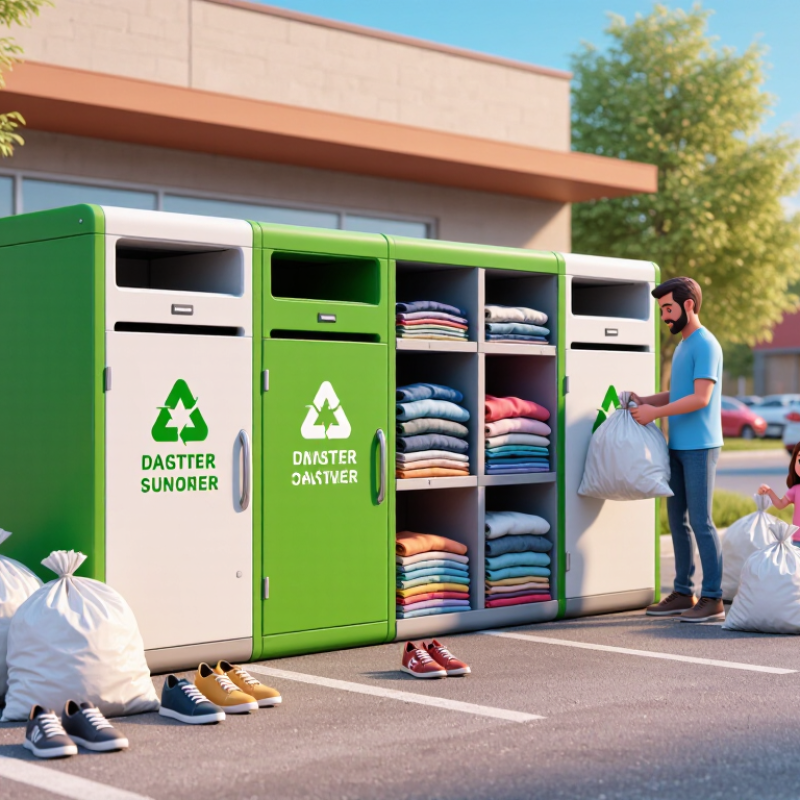
A Clothing Donation Drop Off Bin is a convenient container for gently used garments, shoes, and household textiles. You may see one beside a community center, retail store, or supermarket parking area. Its purpose is simple: collect unwanted clothing and redirect usable items toward reuse, recycling, or charitable programs.

The process usually begins at home. Wash and dry suitable clothing, pair shoes, and place items in a sealed bag. Then, check the bin’s label for accepted materials and the organization’s contact details. A responsible operator should explain how donations are collected, sorted, and distributed. Clear information builds trust. It also helps donors understand whether their items support local families, resale programs, or textile recovery.

Not every bin works perfectly. Some become overfilled after weekends, leaving bags around the container. Others provide limited details about their final destination. That deserves attention. Donors can inspect the surrounding area, read posted instructions, and contact the listed organization when information seems unclear. Small choices matter. A stained shirt, wet blanket, or broken shoe may create sorting problems rather than provide useful support. Donation standards can also vary between operators and communities.

This guide explains how a Clothing Donation Drop Off Bin operates, what belongs inside, and how to donate thoughtfully. It focuses on practical decisions, visible signs of reliable management, and the real limits of clothing collection. The goal is not simply to empty a closet. It is to make each donation cleaner, safer, and more useful.
What Is a Clothing Donation Drop Off Bin?

Definition and Purpose of a Clothing Donation Drop-Off Bin

What Is a Clothing Donation Drop-Off Bin?

A clothing donation drop-off bin is a secure container for unwanted textiles. People place clean, dry clothing inside instead of leaving it beside a waste collection point. The bin supports organized collection, sorting, reuse, and textile recycling. Its purpose is practical: extending garment life and reducing disposal pressure.

In practice, a well-managed bin needs clear instructions and regular collection. Acceptable items often include shirts, trousers, jackets, shoes, and household fabrics. Wet or heavily soiled materials can contaminate usable donations. The United States Environmental Protection Agency reported that Americans generated about 17 million tons of textile waste in 2018. Only around 2.5 million tons were recycled, according to its Facts and Figures report. That gap shows why accessible drop-off points matter. However, a bin is not a magic solution. Some donated clothing cannot be reused or recycled because of damage, mixed materials, or poor handling. I have found that simple labels often prevent more mistakes than attractive signage.

Tips: Check the bin’s accepted-item list before donating. Wash and fully dry garments first. Tie shoes together to keep pairs matched. Place clothing inside a closed bag. Do not force items through a full opening. Textile Exchange reported global fiber production reached about 124 million tonnes in 2023. Better sorting at the donation point can help keep more materials in circulation. More transparency is still needed, especially about where collected textiles travel and how final sorting occurs.

What Is a Clothing Donation Drop-Off Bin? — Definition and Purpose of a Clothing Donation Drop-Off Bin
Information Dimension Definition or Practical Detail Recommended Guidance
Basic Definition A clothing donation drop-off bin is a designated container where people can leave unwanted textiles for collection, sorting, reuse, recycling, or other approved forms of recovery. Public Donation Point
Primary Purpose The bin provides a convenient collection location and helps divert usable clothing and textiles from disposal when the materials meet the collection requirements. Supports Textile Recovery
Typical Location Bins may be placed in accessible areas such as community facilities, parking areas, residential properties, or other locations where collection permission has been granted. Check Site Permission
Commonly Accepted Items Clean, dry clothing; coats; trousers; shirts; dresses; sweaters; paired shoes; handbags; belts; towels; sheets; and other textiles may be accepted, depending on local instructions. Verify Local Rules
Condition Requirements Items should generally be dry, bagged, and free from severe contamination. Clothing suitable for direct reuse should be wearable and reasonably clean. Bag and Keep Dry
Items Often Excluded Wet, moldy, heavily contaminated, or hazardous materials are generally unsuitable. Some locations also exclude mattresses, pillows, carpets, broken items, and single shoes. Do Not Place Without Approval
Preparation Before Donation Wash and dry clothing, place items in a securely closed bag, pair shoes together, and check pockets for personal belongings before using the bin. Prepare Items Carefully
Collection Process Collected materials are typically transported to a sorting facility, where they may be separated for reuse, resale, repair, wiping materials, fiber recovery, or responsible disposal. Outcome Varies by Program
Environmental Benefit Keeping textiles in use for longer can reduce demand for new resources and may decrease the amount of textile waste sent to landfill or incineration. Extends Material Use
Community Benefit Reusable clothing can support affordable access to garments, while recovered textiles may provide materials for charitable, social, or industrial uses, depending on the collection program. Program Dependent
Donation Safety The drop-off door should close properly, the surrounding area should remain clear, and donations should never be left on the ground or beside an overflowing bin. Use the Bin Safely
Important Limitation A donation bin is not automatically a guarantee that every item will be given directly to a person in need. The final destination depends on quality, demand, sorting results, and program policies. Review Posted Information

How Clothing Donation Drop-Off Bins Work

What Is a Clothing Donation Drop-Off Bin?

A clothing donation drop-off bin is a secure container for unwanted textiles. It gives people a simple place to leave clean, reusable clothing. These bins may stand near community centers, parking areas, or recycling locations. Their exact operation can vary by local operator and collection agreement.

How Clothing Donation Drop-Off Bins Work

After collection, workers usually inspect and sort the donations. Wearable items may go to resale programs, shelters, or community distribution services. Damaged textiles can sometimes become cleaning cloths or insulation material. Not every item follows the same path, though. This is where public information matters. Check the bin’s posted instructions before donating.

Clothing should be dry and placed inside a securely closed bag. Shoes should be paired together, while coats and trousers should remain reasonably clean. Avoid leaving bags beside a full container. Wet fabric can develop odors quickly and may affect other donations. In my experience, small preparation choices make sorting easier. I still find some labels unclear, so asking the site operator can prevent mistakes.

Tips: Read the accepted-items list. Donate during daylight when possible. Keep personal items out of pockets. Do not force donations into a full bin. If the container looks damaged or unsafe, use another approved location.

What Items Can Be Placed in a Donation Bin

What Is a Clothing Donation Drop-Off Bin?

A clothing donation drop-off bin provides a practical route for unwanted textiles. The most suitable items are clean, dry, and reusable clothing. T-shirts, trousers, coats, dresses, and children’s clothes usually fit this category. Pack them in a tied bag to keep rain and dirt away.

Shoes can often be donated when paired and wearable. Belts, scarves, handbags, and small fabric accessories may also qualify.

Some collection programs accept towels, bed linen, or curtains, but rules differ by operator. Check the bin’s label before loading anything. Textile collection is not unlimited.

The U.S. Environmental Protection Agency reported that Americans generated about 17 million tons of textile waste in 2018, while only around 2.5 million tons were recycled. The data shows why careful donation matters, not careless disposal. The Ellen MacArthur Foundation also reported that clothing use has fallen by 36% over 15 years. That finding deserves uncomfortable reflection.

Do not place wet, moldy, heavily soiled, or paint-covered textiles inside. Avoid loose shoes, broken items, liquids, batteries, and household waste. These materials can contaminate otherwise useful donations. If an item would be unpleasant or unsafe to handle, it probably does not belong there. I may still overestimate what can be reused. Local sorting standards should decide.

Who Manages and Benefits From Clothing Donation Bins

A clothing donation drop-off bin is a collection point for unwanted garments, shoes, and household textiles. Its manager may be a charitable organization, a local authority, a recycling company, or a property owner working with a collection partner. Each group has a different role. The site owner provides safe space and basic oversight. The operator empties the bin, sorts donations, and arranges reuse, recycling, or responsible disposal.

The main beneficiaries can include community charities, families seeking affordable clothing, textile recovery workers, and environmental programs. Usable items may support local aid services or enter secondhand markets. Damaged fabric can sometimes become insulation, cleaning cloths, or other recovered material. Donation volumes also create practical jobs in transport and sorting. However, benefits depend on clear management and honest reporting. Not every item placed in a bin can be reused.

Look for a visible operator name, contact number, collection schedule, and accepted-item list. A clean bin with a secure opening usually indicates regular maintenance, though appearances can mislead. Place clothing in a closed bag, especially during rain. Shoes should be paired, and wet or moldy textiles should stay out. The system is not perfect. Some bins overflow, and some donors assume every item reaches a person directly. Asking who sorts the clothing can reveal more than a simple donation label. Reliable operators explain where materials go, how often collections occur, and how complaints are handled.

How to Donate Clothing Safely and Responsibly

What Is a Clothing Donation Drop Off Bin?

A clothing donation drop-off bin is a secured container for unwanted garments and household textiles. It is not a general rubbish bin. Responsible operators usually empty, sort, reuse, or recycle the contents through documented channels.

Check the container for a visible operator name, contact number, and accepted-item list. A vague sign deserves caution.

I have seen people leave bags beside full bins, where rain quickly damages clean clothing.

How to Donate Clothing Safely and Responsibly

Wash and completely dry every item before donating. Inspect pockets for keys, receipts, medication, or personal documents. Remove strong odors, mold, heavy stains, and wet fabric.

Place suitable clothing in a tied, waterproof bag, then put it inside the bin. Never force bulky items through a narrow opening.

If the bin is full, return later or use an approved collection point.

The U.S. Environmental Protection Agency reported 17 million tons of textiles entered the American waste stream in 2018, while only 2.5 million tons were recycled. Textile Exchange’s Materials Market Report 2024 estimated global fiber production reached 132 million tonnes in 2024.

These figures show why careful donation matters, but donation is not automatically sustainable. Damaged clothing may require recycling instead.

Ask where unusable textiles go, and keep the receipt or confirmation when available.

I still question vague promises. Transparency should be normal.

137 Seacoast Ave, New York, NY 10094
+1 (234) 466-9764
Excuisite food, unforgettable atmosphere...