
What Are the 2026 Top Hotel Restaurant Furniture Trends?
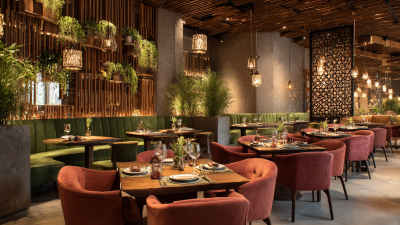
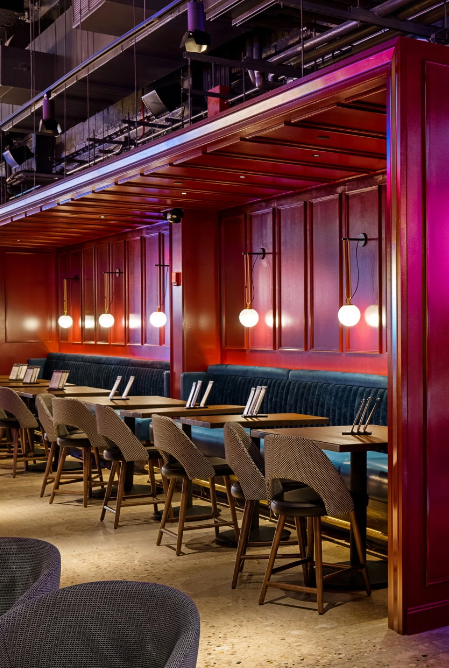
Hotel Restaurant Furniture is entering 2026 with a stronger focus on comfort, flexibility, and lasting performance. Guests increasingly notice how seating feels, not only how it photographs. A beautiful chair becomes irrelevant when its edges feel hard after twenty minutes.
Adam Tihany, a respected hospitality designer, once said, “The restaurant is the theater and the table is the stage.” His observation remains valuable for hotel restaurants. Furniture now supports the entire guest experience, from breakfast traffic to late-night dining. Expect modular tables, movable banquettes, lightweight chairs, and adaptable lounge pieces. These options help operators reshape dining rooms without expensive reconstruction.
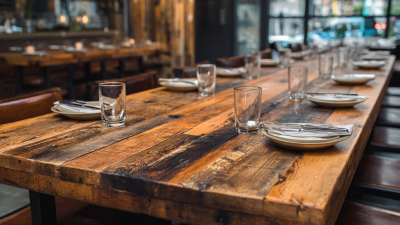
Materials will become more responsible and more tactile. Reclaimed timber, recycled upholstery, natural stone, and powder-coated metal can create warmth while meeting demanding commercial requirements. Performance fabrics may resist stains, but they should still feel pleasant against the skin. That balance is easy to miss.
Biophilic details will appear through curved forms, earthy colors, woven textures, and indoor planting. Acoustic panels may be integrated into ceilings, walls, or upholstered screens. Discreet charging points will support modern guests without turning tables into technology stations. Accessibility and ergonomic design should also influence seat heights, circulation space, and table placement.
Still, trend reports sometimes overpromise. Not every sustainable material suits every climate or cleaning routine. Hotel owners must test samples under real operating conditions. A chair that survives a showroom visit may fail during a busy weekend. The best 2026 choices will combine visual identity, measurable durability, and honest maintenance planning.
Defining the Key Hotel Restaurant Furniture Trends of 2026
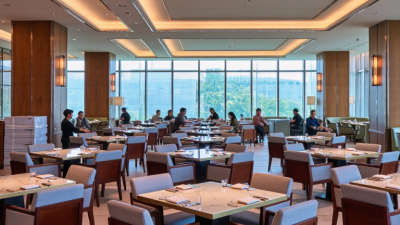
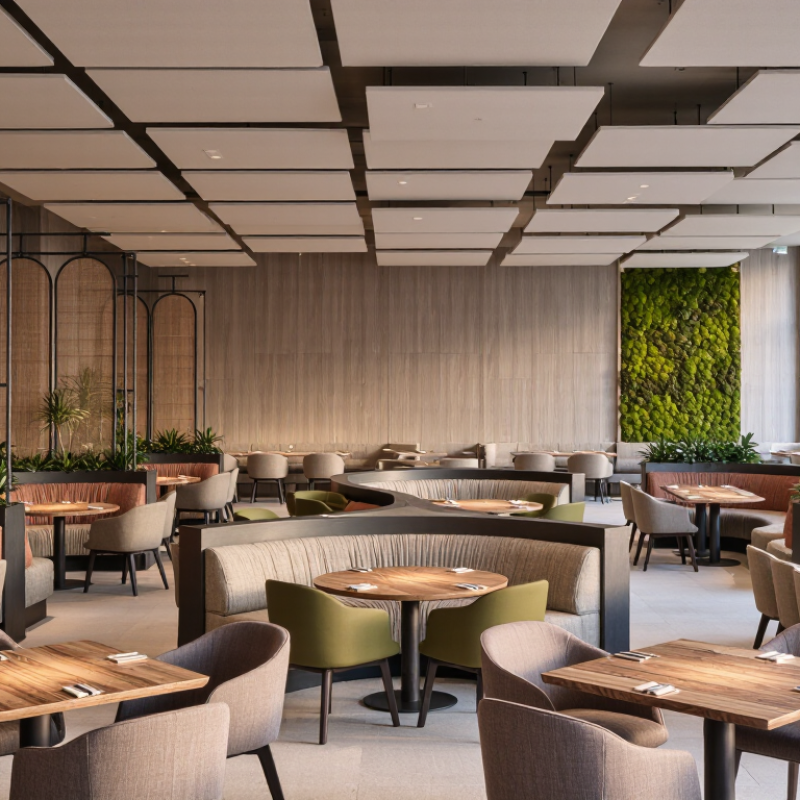
Hotel restaurant furniture is becoming part of the guest experience, not simple equipment. In 2026, expect warmer materials, softer silhouettes, and flexible layouts. Round tables can support conversation. Stackable chairs can quickly change a breakfast room into an evening dining space. JLL’s 2025 Global Hotel Investment Outlook highlights experience-led design as a major hospitality priority. This supports furniture that feels memorable, practical, and locally relevant.
Sustainability will influence purchasing decisions more strongly. The Cornell Hotel Sustainability Benchmarking Index shows that measurable resource performance remains central to hotel operations. Furniture with repairable parts, recycled content, and documented material origins can support that goal. However, recycled furniture is not automatically better. Poor durability creates more replacements, transport, and waste. That point deserves more attention. Wellness also shapes dining spaces. The Global Wellness Institute valued the wellness economy at 6.3 trillion dollars in 2023, encouraging calmer lighting, acoustic comfort, and natural textures. These details may improve perceived comfort without making the room feel clinical.
Tips: Test chairs for one full service period before ordering. Check seat height, cleaning time, noise, and staff movement. Ask suppliers for lifecycle data, not attractive claims alone. Leave some design flexibility. A beautiful fixed layout may fail during peak breakfast service. Trends change quickly, but uncomfortable furniture remains a daily problem.
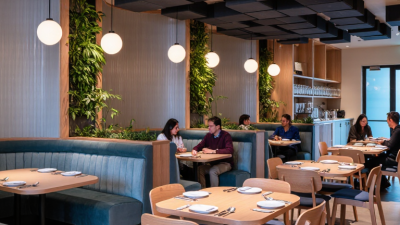
Hotel restaurant furniture in 2026 will prioritize comfort without sacrificing operational speed. Guests want relaxed dining, yet staff need clear movement paths and easy table turnover. STR’s 2024 U.S. Hotel Industry Outlook projected occupancy near 63.6%, keeping dining areas consistently active. That pressure makes flexible seating more practical than oversized, fixed layouts.
Use lightweight lounge chairs, stackable side chairs, and two-top tables that staff can reconfigure quickly. A quiet breakfast corner may need to become a dinner service zone by evening. Upholstered seats should support longer stays, but stain-resistant fabrics remain essential.
The American Hotel & Lodging Association’s 2024 State of the Hotel Industry report highlighted persistent labor and operating-cost pressures. Furniture that cleans easily and moves safely can reduce daily friction.
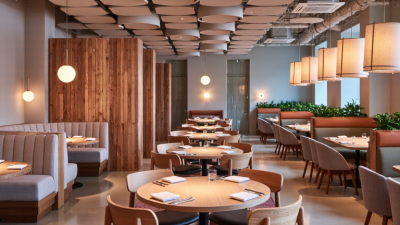
Small details shape perceived comfort. A 45-centimeter seat height, supportive back angle, and stable table base matter more than decorative excess. Mixed seating can serve different guests: banquettes for families, armchairs for solo diners, and communal tables for informal meetings. Too much flexibility can feel temporary, though. That is the uncomfortable trade-off. Designers should test layouts during real service, not only in polished renderings. A chair that looks elegant may become awkward after two hours. Guest feedback, staff observation, and maintenance records should guide the next adjustment.
What Are the 2026 Top Hotel Restaurant Furniture Trends?
In 2026, hotel restaurants are treating furniture as a long-term material system. The 2024 Circularity Gap Report estimates that only 7.2% of the global economy is circular. That figure makes disposable dining chairs look increasingly outdated. The 2024 UN Global Resources Outlook also warns that resource extraction could rise 60% by 2060 without major changes.
Practical specifications are becoming more important. Choose recycled aluminum frames, certified timber, low-impact finishes, and replaceable upholstery. Avoid glued parts that cannot be separated. A chair with visible screws is easier to repair. It is also easier to inspect. Designers should request material passports, repair instructions, and take-back terms before approving large orders. That sounds simple. Yet many projects still measure price better than lifespan.
Hotel operators can begin with high-use areas, such as breakfast rooms and outdoor terraces. Track broken components, cleaning damage, replacement time, and resale value. A modular banquette may reduce waste when only one cushion needs changing. Local repair partners can also reduce transport emissions and downtime. However, circularity is not automatically sustainable. Recycled materials may travel long distances, while a durable local product may perform better. We should admit the uncomfortable part: reliable reuse data remains limited across hospitality. Procurement teams need clearer records, honest supplier questions, and room to revise specifications after real guest use.
In 2026, hotel restaurant furniture will become more intelligent and quietly responsive. Tables may include wireless charging, QR ordering, and small service-status lights. Banquettes can hide power outlets, sensors, and replaceable technology panels. These details support smoother dining without covering the room in screens.
The National Restaurant Association’s 2024 State of the Restaurant Industry Report projected over 1 trillion dollars in U.S. restaurant sales. It also identified labor efficiency as a continuing operational priority. Meanwhile, the American Hotel & Lodging Association reported staffing shortages at 67% of surveyed hotels in 2024. Smart furniture can reduce repetitive requests, but it cannot replace thoughtful hospitality. A charging table may help. It may also feel cold and overly technical.
Tips: Place charging ports below eye level. Use durable, wipe-clean surfaces around controls. Add occupancy sensors only where they improve service. Let guests disable unnecessary lighting or notifications. Test furniture with older guests and wheelchair users. Small mistakes become obvious during busy breakfast service.
Designers should connect technology with physical comfort. A sensor-controlled table should still offer enough legroom. A digital ordering point should remain easy to understand. Privacy also needs attention, especially when furniture collects usage data. The 2024 AHLA report highlights technology as part of hotel modernization, but practical testing remains essential. The industry still overestimates novelty sometimes. A warm wooden edge may create more loyalty than another glowing interface.
What Are the 2026 Top Hotel Restaurant Furniture Trends?
Creating Memorable Spaces Through Customization and Local Style
In 2026, hotel restaurant furniture is moving beyond decoration. It must support comfort, durability, and a strong sense of place. Designers are using custom tables, curved banquettes, and flexible chairs to shape different dining experiences. A quiet breakfast area may need soft seating, while a busy dinner room requires easy movement and sturdy finishes. On-site reviews often reveal small problems, such as narrow walkways or uncomfortable seat heights.
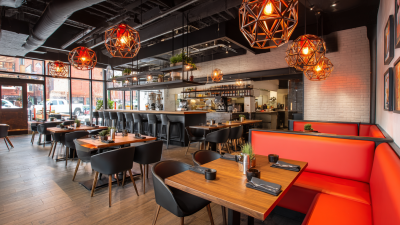
Local style is becoming more thoughtful. Instead of copying traditional patterns, hospitality teams are interpreting regional materials and craft methods. A coastal property might use pale timber, woven textures, and stone-like surfaces. An urban hotel could combine dark metal with locally inspired upholstery colors. These details help guests remember where they are.
Customization also improves daily operation. Removable seat covers simplify maintenance. Modular furniture allows staff to rearrange tables for private events. Rounded edges can improve circulation and reduce accidental impacts. Yet personalization should not become visual clutter. Not every local reference works. Some patterns feel forced when repeated across every chair and wall. A better approach uses one strong material, one useful accent, and enough empty space. Designers should test samples under real lighting before approving production. Colors often change dramatically beside warm lamps. This practical step is easy to overlook.
| 2026 Trend | Key Data Dimension | Recommended Planning Value | Furniture Application | Local-Style Opportunity | Expected Benefit |
|---|---|---|---|---|---|
| Customized Furniture Programs | Customization scope | Coordinate 3–5 elements: size, finish, upholstery, edge profile, and hardware | Use modular banquettes, made-to-measure tables, and interchangeable seat cushions | Incorporate regional colors, craft techniques, and locally familiar forms | Creates a distinctive dining identity while supporting varied floor plans |
| Flexible Seating Layouts | Reconfiguration capability | Plan tables and seating for 2-, 4-, 6-, and 8-person combinations | Specify lightweight tables, linking tops, mobile banquettes, and stackable chairs | Use locally inspired shapes without compromising movement or storage | Improves service flexibility for breakfast, lunch, events, and peak periods |
| Authentic Local Materials | Material mix | Combine 2–4 complementary materials, such as timber, stone, metal, ceramic, or woven fibers | Use regional timber species, textured panels, hand-finished tabletops, and locally made accessories | Reflect local geology, architecture, agriculture, or traditional craft patterns | Strengthens place identity and gives guests a more memorable visual experience |
| Biophilic and Nature-Inspired Forms | Natural design elements | Integrate at least 3 natural cues, such as plants, daylight, organic shapes, natural textures, or earthy colors | Choose rounded table edges, curved backs, timber grain, stone surfaces, and planter-integrated dividers | Draw colors and forms from the local landscape and seasonal environment | Supports a warmer, calmer, and more visually engaging dining atmosphere |
| Comfort-Focused Upholstery | Seating ergonomics | Target approximately 430–480 mm seat height and provide supportive backrests for longer stays | Use contoured chairs, padded banquettes, replaceable cushions, and stain-resistant contract fabrics | Apply regional textile patterns or artisan-inspired upholstery details in controlled accent areas | Encourages longer visits and improves perceived dining quality |
| Inclusive and Accessible Dining | Clearance and reach dimensions | Maintain a 915 mm minimum accessible route, 760 × 1220 mm clear floor space, and 685 mm minimum knee clearance where applicable | Provide accessible-height tables, varied seat heights, stable armchairs, and unobstructed circulation | Express local character through finishes and detailing rather than restricting access | Creates a more welcoming experience for guests with different mobility needs |
| Acoustic Comfort | Noise-control surfaces | Combine at least 3 absorptive features, such as upholstered seating, acoustic panels, rugs, curtains, or ceiling treatments | Use high-back banquettes, upholstered wall panels, perforated screens, and soft-finish seating | Adapt traditional woven, timber, or textile motifs into acoustic surfaces | Improves conversation quality and reduces perceived crowding |
| Circular and Repairable Design | Product life-cycle features | Prioritize replaceable upholstery, accessible fasteners, refinishable surfaces, and separable materials | Specify screw-fixed components, replaceable glides, removable covers, and repairable frames | Use durable local materials that can be refinished or repaired by regional craftspeople | Reduces replacement frequency, maintenance disruption, and material waste |
| Integrated Technology | Power and device access | Provide discreet power access at selected communal tables, work-friendly seats, and lounge areas | Integrate cable management, protected charging points, and easy-to-clean power modules | Conceal technology within locally styled screens, timber details, or crafted table elements | Supports hybrid dining, informal work, and convenient guest service without visual clutter |
Planning note: Dimensional accessibility values are based on commonly referenced accessibility requirements; final furniture layouts should be verified against the applicable local building and accessibility codes.
©2024 Pine Vista LLC, DBA Design Manufacturing Group. All Rights Reserved.


©2024 Pine Vista LLC, DBA Design Manufacturing Group. All Rights Reserved.