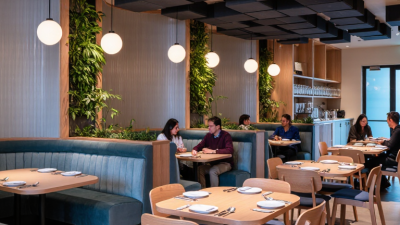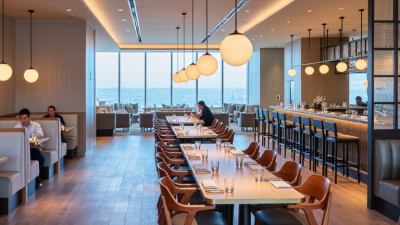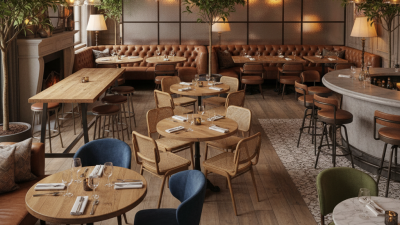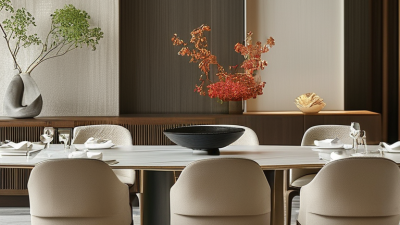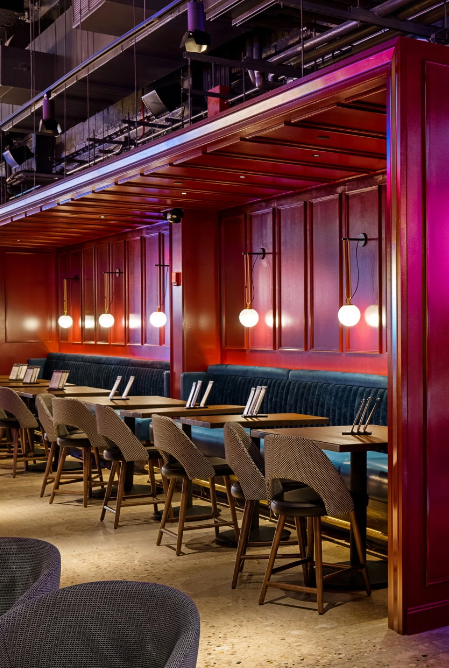

Choosing Designer Restaurant Furniture is not simply a matter of matching chairs to a color palette. In a busy dining room, every table, seat, and banquette must handle daily use while supporting the atmosphere you want guests to remember. A lovely chair can look perfect in a showroom and feel uncomfortable after twenty minutes. Small details matter.
Before choosing pieces, consider how your restaurant actually operates. Measure walkways, check table spacing, and think about how servers carry trays between occupied seats. Materials deserve the same attention. A textured fabric may feel inviting, but spills can make upkeep harder. Wood, metal, and upholstery each bring different maintenance needs, so compare samples under your own lighting and ask suppliers about cleaning instructions and warranties. Real use reveals things photographs cannot.
The seven tips in this guide will help you weigh comfort, durability, layout, style, and budget without treating any one factor as the whole answer. Start with the guests and staff who will use the space, not only with a trend board. Sit in the furniture. Move it around. Notice whether table edges catch clothing or chair legs scrape the floor. These checks are simple, but they can prevent expensive regrets. No selection is perfect for every concept, and priorities may change as the room takes shape. That is worth acknowledging. A thoughtful choice is one you can explain, maintain, and live with through a full service.
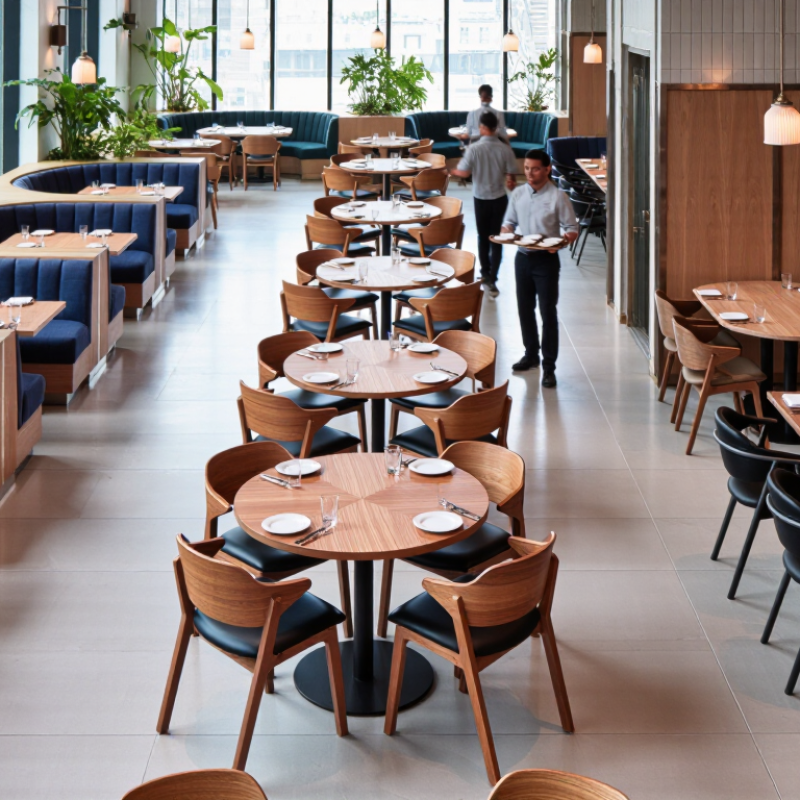
A restaurant’s layout should guide furniture choices, not the other way around. Measure the dining room, entry path, service stations, and the space behind pulled-out chairs. A table that fits on paper may block a server carrying two plates. Use masking tape to mark table edges on the floor, then walk the routes during a busy shift. Small details matter.
Think about who visits and how they use the room. Families may need sturdy chairs, room for strollers, and tables that can join together. A quiet neighborhood café may benefit from comfortable two-person tables near windows. Guests dining in groups often prefer flexible seating. Ask staff where customers hesitate, crowd together, or request different seats. Their observations can reveal problems a floor plan misses.
Choose seat heights and table sizes that work together, and test them with real place settings. A broad chair can feel inviting but leave too little room between neighboring tables. That trade-off is easy to underestimate. Consider easy-to-clean finishes where spills are common, while reserving softer materials for lower-traffic areas. Before ordering, review a full-scale layout with staff and check that circulation works for guests with different mobility needs. A perfect arrangement rarely survives opening week unchanged. Keep some flexibility for adjustments.
Key ADA dimensions to consider when arranging tables, chairs, and circulation paths (inches).
Keep accessible routes and turning spaces clear when selecting and positioning furniture. These figures describe different measurements, not directly comparable targets. Reference: 2010 ADA Standards for Accessible Design, Sections 304, 403, 404.2.3, and 902.3.
A designer restaurant chair can fit the room beautifully and still strain the budget. Set a spending range before comparing finishes, but include delivery, assembly, care supplies, and likely replacement costs. My first instinct is often to compare the price per chair. That number misses a lot. A better check is estimated cost per year of service, using realistic wear rather than an optimistic lifespan.
Tips: Request written details on materials, cleaning needs, warranty coverage, and lead times. Compare the same quantities and delivery terms. Keep a small reserve for damaged pieces or future additions. It may feel overly cautious, but a surprise freight charge can undo a careful estimate.
Long-term value depends on how furniture handles daily use. Check that joints feel stable, edges are smooth, and upholstery can be cleaned with practical methods. Ask for a sample if color or texture matters under your restaurant’s lighting. Low maintenance matters. A cheaper seat that needs frequent repairs may cost more over time. Still, estimates are imperfect; staff habits, spills, and traffic vary. I would revisit the numbers before ordering, especially if the room’s layout or seating plan is still changing.
Restaurant furniture faces more than occasional use. Chairs are pulled across floors, tabletops meet hot plates, and spills may sit unnoticed during a rush. Choose materials for this daily wear, not just their showroom appearance. Solid hardwood can be repaired and refinished, while well-made metal frames resist loosening when joints are properly designed. For upholstery, look for commercial-grade fabric with documented abrasion and cleaning performance. Small details matter. Check seams, edges, and feet, where damage often begins.
Ask for care instructions and technical data before ordering. A sample helps, but it can mislead: one quick wipe will not show how a finish handles months of cleaning. Test the surface with the cleaners your staff actually uses, and inspect it under bright light for dulling or discoloration. Test the finish. In damp dining areas, consider sealed surfaces and materials that dry quickly. Avoid choosing solely by a high durability rating; comfort, repairability, and a finish that suits the room matter too. The toughest option may still feel cold or look out of place.
It is worth admitting that no material stays pristine forever, especially in a busy dining room.
A restaurant’s furniture should make its concept clear before guests read the menu. In a relaxed coastal café, pale wood, woven seats, and washable upholstery can suggest an easygoing mood. A formal dining room may call for darker finishes, shaped chair backs, and tables with a more substantial feel. The details matter: a glossy surface reflects warm pendant lights, while a rough timber edge feels more casual. Choose materials and silhouettes that support the atmosphere, not just the color palette.
Comfort still counts. A dramatic chair that looks right in a photograph may feel awkward after a long meal. Consider how guests move between tables, how staff carry trays, and whether seats suit the expected visit length. A little contrast helps. I would not match every piece exactly; a room can start to feel staged. Instead, repeat one or two elements, such as a curved back or a particular wood tone, and let other pieces vary. Test samples under the restaurant’s actual lighting. Finishes often look different at night. A small mismatch can even add character, though it should feel intentional rather than accidental.
| Tip | Restaurant Concept | Furniture Direction | Practical Details to Check |
|---|---|---|---|
| 1. Define the concept first | A casual neighborhood café with a relaxed atmosphere | Simple chairs and tables with approachable shapes and warm finishes | Choose a consistent palette and furniture scale that suits the room rather than mixing unrelated styles. |
| 2. Match the mood to the materials | A contemporary restaurant with a clean, refined interior | Streamlined forms, restrained detailing, and materials such as metal, wood, or upholstered seating | Consider how finishes look under the restaurant’s lighting and how easily they can be cleaned. |
| 3. Use comfort to support longer visits | A full-service dining room where guests may stay for a complete meal | Supportive seats, suitable seat heights, and tables with enough room for place settings | Test chairs in person when possible; seat comfort depends on dimensions, shape, and cushioning. |
| 4. Choose finishes for the service environment | A busy, high-turnover dining area | Durable, repairable surfaces and sturdy frames that suit frequent daily use | Ask about cleaning instructions, finish care, replacement parts, and suitability for commercial use. |
| 5. Plan for indoor or outdoor conditions | A restaurant with a patio or other outdoor seating | Furniture specified for outdoor exposure, with materials and finishes suited to local weather | Check care requirements, drainage, storage needs, and whether cushions are designed to be removed or stored. |
| 6. Balance seating variety with layout | A flexible restaurant serving couples, families, and small groups | A considered mix of two-person tables, larger tables, chairs, and banquette seating | Keep circulation routes clear and confirm that table arrangements work for guests and staff. |
| 7. Review the full room before ordering | A restaurant with a distinctive theme or strong interior features | Furniture that complements the flooring, lighting, wall finishes, and architectural details | Check samples and dimensions in the actual space; account for doors, accessible routes, and service areas. |
A sculptural chair can draw attention, but guests notice discomfort long before they admire its shape. Check seat height against the dining tables, then consider seat depth and back support. People should be able to sit upright without their knees pressing the table edge. For a quick assessment, sit in the chair for several minutes. A brief test helps, though it cannot predict every guest’s needs. A small detail.
Safety deserves the same care as appearance. Push each chair gently from different sides and check for wobbling, sharp corners, loose joints, or feet that slide on the floor. Ask suppliers for clear load and care information, and consider how furniture performs in crowded aisles. I once gave too much weight to a striking finish; it showed fingerprints after a busy service. That was a useful correction. Choose upholstery and surfaces that tolerate the cleaning products your staff actually use, and inspect seams where crumbs and moisture can collect. Easy to wipe matters. So does repairability: replaceable glides or cushions may keep a well-loved piece useful longer. A beautiful finish that needs delicate treatment can become a daily frustration.
©2024 Pine Vista LLC, DBA Design Manufacturing Group. All Rights Reserved.


©2024 Pine Vista LLC, DBA Design Manufacturing Group. All Rights Reserved.