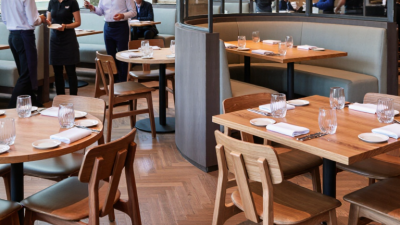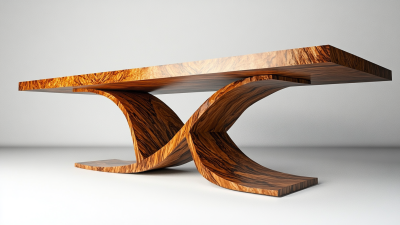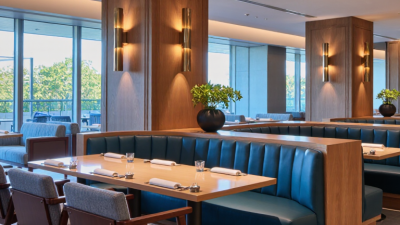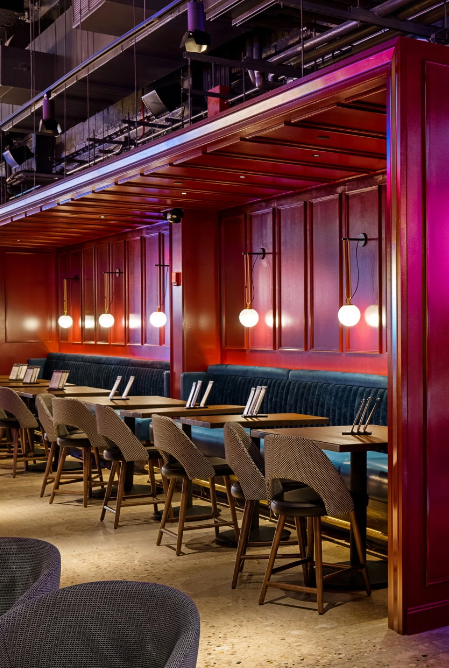

What makes the best Hotel Restaurant Table? It is not simply the most attractive model in a catalog. The right choice must suit the room’s service style, guest mix, cleaning routine, and available floor space. The National Restaurant Association’s 2024 State of the Restaurant Industry projected U.S. restaurant sales at $1.1 trillion. That figure covers restaurants broadly, not hotel dining rooms alone, but it highlights the scale of competition for a satisfying meal. Small details matter. A wobbly base, cramped place setting, or tabletop that shows every mark can affect the experience.
Hotel operators need to balance guest comfort with daily upkeep. The American Hotel & Lodging Association’s 2024 State of the Industry report examines wider pressures on hotel performance; it does not identify one ideal restaurant table. That distinction matters. A compact two-top may suit a café with quick turnover, while a larger, sturdy table may work better for family dining or longer meals. Material, edge finish, base design, and accessibility all deserve attention. Looks are only part of the decision.
There is no universal winner. A polished solid-wood table may feel welcoming, yet require more careful maintenance than a durable laminate surface. That trade-off is easy to overlook. This guide compares common table types and practical selection factors, helping hotel teams choose furniture that fits their operation—not just the showroom.
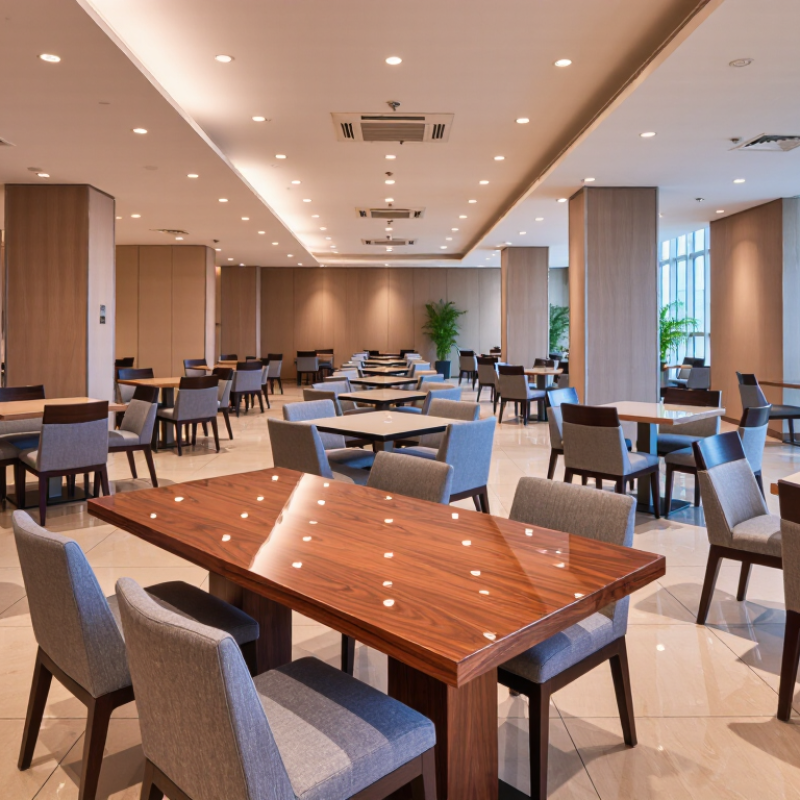
A hotel restaurant table serves more than meals. It must support breakfast service, evening dining, and sometimes a guest’s laptop or luggage. The National Restaurant Association’s 2024 State of the Restaurant Industry projected $1.1 trillion in U.S. restaurant and foodservice sales. That scale makes everyday durability a practical concern, not a decorative extra. Choose stable bases, wipe-clean surfaces, and edges that resist chips. Small details matter. A table that wobbles on tile can spoil a quiet breakfast faster than an unfashionable finish.
The AHLA’s 2024 State of the Hotel Industry report forecast 63.6% U.S. hotel occupancy for the year. With guests arriving throughout the day, layouts need to adapt without blocking service routes. Round tables can soften tight corners; rectangular tables often use narrow spaces efficiently. Neither shape is best everywhere. Check chair clearance, accessible routes, and staff reach before ordering, then test a sample in the actual room. One weak assumption is that lighter furniture always improves flexibility; it may slide or feel unstable. Consider noise, too: metal feet scraping hard floors can carry across a dining room. Reports describe market conditions, not ideal table dimensions, so site measurements and local accessibility requirements still matter.
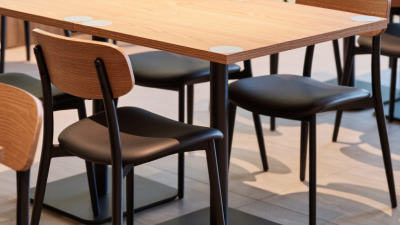
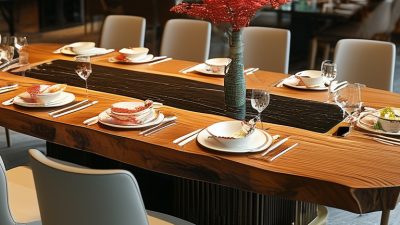
A hotel restaurant table must handle breakfast trays, dinner service, and frequent cleaning without feeling cold or temporary. Solid wood offers warmth and visible grain, which can make a dining room feel more personal. It can be sanded and refinished, but spills and heat may leave marks if staff do not wipe them promptly. Wood also needs periodic care. That cost is easy to overlook.
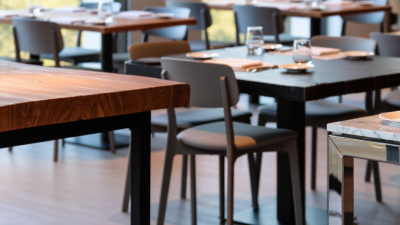
Laminate is often practical for busy dining areas. Its sealed surface is simple to wipe, and it comes in finishes that imitate wood or stone. However, damaged edges can swell, and deep scratches are difficult to disguise. Stone and quartz feel substantial and resist everyday wear, yet they are heavy and may show stains or chips depending on their finish. Compact laminate can provide a thinner, durable surface, though its appearance may feel less natural up close. Stainless steel is easy to sanitize and handles moisture well, but fingerprints and clatter can stand out in a quiet dining room. No material is perfect. The right choice depends on cleaning routines, expected traffic, and the atmosphere guests should feel when they sit down. A small sample under the restaurant’s actual lighting can reveal surprises.
Common tabletop materials differ in how readily they transfer heat.
Approximate thermal conductivity in watts per meter-kelvin (W/m·K). Lower values mean slower heat transfer, so wood and laminate tend to feel less cold to the touch than stone or metal. Values are representative; actual performance varies with material composition, thickness, and finish.
What Is the Best Type of Hotel Restaurant Table?
Table Shapes, Sizes, and Seating Capacity
The best table shape depends on how guests use the dining room. Round tables encourage conversation and soften tight corners, while square tables can be joined for families or larger parties. Rectangular tables suit long rooms and group dining, but they need clear aisle space. As a planning rule, allow about 24 inches of table edge per guest. A 30-inch square table usually seats two comfortably; a 36-inch square table can seat four, though chair width matters. Small detail. Big effect.
For accessible seating, the U.S. Access Board’s 2010 ADA Standards specify dining surfaces 28 to 34 inches high, with clear floor space measuring at least 30 by 48 inches. These figures offer a practical reference when choosing table heights and planning circulation. Measure with chairs pulled out, not tucked in. A layout that fits neatly on paper may feel crowded when servers carry trays and guests push back their seats. I would test a few table combinations in the actual room before ordering; the first layout is rarely perfect. A mix of two-person tables and larger tables often gives staff more flexibility, but too many shapes can make service awkward.
The best table depends on the dining format, available floor space, and how easily guests and staff need to move around the room. The capacities below are practical planning estimates.
| Table shape | Typical size | Approximate capacity | Works well for | Planning considerations |
|---|---|---|---|---|
| Round | 30 in (76 cm) diameter | 2 guests | Compact dining areas, breakfast seating, and intimate two-person meals | Small footprint, but offers less flexibility for adding another seat. |
| Round | 36 in (91 cm) diameter | 2–4 guests | Casual dining and smaller restaurant sections | Four guests can fit, though place settings may feel close together. |
| Round | 42 in (107 cm) diameter | 4 guests | Everyday restaurant dining and small groups | Provides a comfortable shared surface while maintaining conversation-friendly seating. |
| Round | 48 in (122 cm) diameter | 4–5 guests | Full-service dining and flexible group seating | Allows more serving space; confirm chair spacing and aisle clearance. |
| Round | 60 in (152 cm) diameter | 6–8 guests | Group dining, celebrations, and banquet-style meals | Useful for larger parties, but requires more floor area and can make conversation across the table less convenient. |
| Square | 24 × 24 in (61 × 61 cm) | 2 guests | Small cafés, limited spaces, and quick meals | Efficient for two; several tables may be combined when the layout allows. |
| Square | 30 × 30 in (76 × 76 cm) | 2–4 guests | Casual dining and adaptable seating layouts | Seats two comfortably or four more closely, depending on chair size and service style. |
| Square | 36 × 36 in (91 × 91 cm) | 4 guests | Standard four-person dining and flexible room arrangements | Can often be pushed together to accommodate larger parties. |
| Rectangular | 24 × 30 in (61 × 76 cm) | 2 guests | Compact dining areas and two-person seating | Easy to arrange in rows; leave enough space for chairs to be pulled out. |
| Rectangular | 30 × 48 in (76 × 122 cm) | 4 guests | Everyday dining and smaller family groups | A versatile size that balances serving space with a relatively compact footprint. |
| Rectangular | 30 × 60 in (76 × 152 cm) | 4–6 guests | Family dining and restaurant sections that need flexible capacity | Capacity depends on whether guests sit along the sides, at the ends, or both. |
| Rectangular | 36 × 72 in (91 × 183 cm) | 6–8 guests | Large parties, private dining, and shared meals | Provides generous serving space but needs a larger footprint and clear circulation paths. |
Practical tip: Seating capacity varies with chair width, table-edge space, service style, and local accessibility requirements. Measure the complete setup—including chairs and circulation space—before choosing a table size.
A hotel restaurant rarely needs one table style everywhere. In a breakfast room, lightweight two-tops can be joined for families, while sturdy four-person tables handle luggage bumps and quick turnovers. Keep enough space between chairs for staff carrying coffee pots. A perfect layout on paper can feel cramped once coats and highchairs appear. Small details matter.
For a formal dining room, heavier tables with solid bases feel stable and suit longer meals. Round tops soften tight corners and make conversation easier, though they can waste floor space. Banquettes work well along walls, especially in narrow rooms, but fixed seating may leave some guests stretching awkwardly. Not always ideal. Poolside dining calls for weather-resistant surfaces, rounded edges, and bases that stay steady on uneven paving. Avoid glossy finishes where bright sun makes them hard to look at. For room service, compact tables or adjustable-height stands matter more than visual impact; guests need space for a tray, a glass, and perhaps a laptop. The useful choice depends on the service pattern, cleaning routine, and actual floor plan. I would not assume the most expensive table lasts longest: loose joints and chipped edges often reveal more than a polished showroom sample. A short trial with staff can expose problems before a full order.
What Is the Best Type of Hotel Restaurant Table?
Factors for Choosing the Best Table Type
There is no universal best table for a hotel restaurant. The right choice depends on guest mix, room size, service style, and cleaning demands. Round tables encourage conversation and suit couples, but can waste space in narrow rooms. Square tables fit neatly in rows and can be joined for families or groups. A mix often works better than a single shape. The National Restaurant Association’s 2024 State of the Restaurant Industry report projected $1.1 trillion in U.S. restaurant sales and 15.7 million industry jobs. That scale makes durable surfaces and efficient service practical design concerns.
Tips: Measure chair pull-out space, not just tabletop dimensions. Check whether staff can pass with a tray. Choose finishes that resist scratches and wipe clean quickly. Test a sample under the room’s actual lighting.
Material and base design matter, too. Wood can add warmth, while compact laminate handles frequent cleaning well. A central pedestal gives guests more legroom, but may feel unstable on uneven floors. Accessibility and comfort need attention: leave clear routes, and avoid placing table legs where they obstruct chairs or mobility aids. A beautiful table can still feel cramped at breakfast. Before ordering, mock up a few tables with real chairs and service trays; the layout may look different once guests sit down.
©2024 Pine Vista LLC, DBA Design Manufacturing Group. All Rights Reserved.


©2024 Pine Vista LLC, DBA Design Manufacturing Group. All Rights Reserved.